
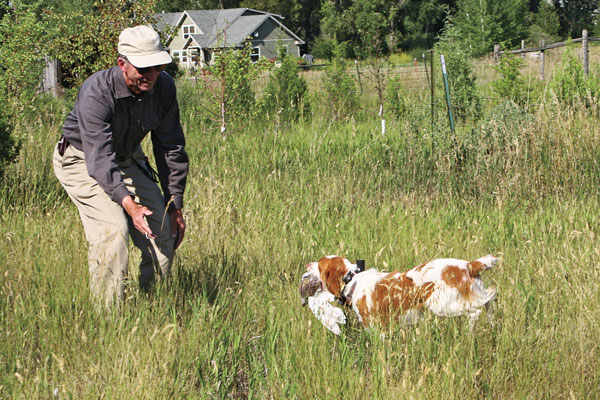
Bringing home a puppy is exciting, but it also comes with daily challenges that can quickly become frustrating without proper guidance. From jumping on guests to pulling on the leash, puppies are constantly learning from the environment around them. That is why everyday manners training for puppies Arizona has become such an important focus for dog owners who want calmer, more reliable companions at home and in public.
At Rob’s Dog Training, we believe training should go beyond basic commands. Puppies thrive when they learn practical behaviors they can apply in real-life situations. Everyday manners training helps shape confidence, communication, and consistency during the most important developmental stages of a dog’s life.
Why Early Puppy Training Matters
Puppies absorb information rapidly during their first months of life. Every interaction teaches them something, whether intentional or not. Without structure, unwanted habits can develop quickly and become more difficult to correct later.
Early puppy obedience and manners training can help with:
- Social confidence around people and dogs
- Reduced anxiety in new environments
- Better impulse control
- Safer interactions in public
- Easier veterinary and grooming visits
- Stronger communication between dog and owner
Many owners wait until behaviors become problematic before seeking help. However, prevention is often far more effective than correction. Teaching polite behaviors early gives puppies a clearer understanding of household expectations.
The Difference Between Commands and Everyday Manners
Traditional obedience often focuses on isolated skills such as sit, stay, or down. While those cues are useful, they are only part of a well-rounded training foundation.
Everyday manners training emphasizes how puppies behave during normal routines. Instead of simply responding to commands, puppies learn how to make better choices throughout the day.
For example, traditional training may focus on teaching a puppy to sit on command, while everyday manners training teaches the puppy to wait calmly before meals. Instead of only practicing heel during formal sessions, puppies learn how to walk politely during daily neighborhood walks. A stay command may help a dog remain in place temporarily, but manners training encourages puppies to relax quietly when guests arrive at the home.
Similarly, recall practice teaches puppies to come when called, while manners-based training encourages them to naturally check in with their owners during walks and outings. Rather than simply learning the down command, puppies also develop the ability to settle calmly in busy or distracting environments.
This practical approach helps puppies succeed in real-world situations rather than only during structured training sessions.
Common Puppy Behavior Challenges in Arizona Homes
Arizona families often lead active lifestyles that include hiking trails, outdoor patios, dog-friendly events, and neighborhood walks. Puppies who lack proper manners may struggle in these stimulating environments.
Some of the most common behavior concerns include:
Jumping on Guests
Excited puppies naturally greet people enthusiastically. Without guidance, this behavior can become overwhelming, especially with children or older visitors.
Teaching calm greetings helps puppies understand that attention comes through polite behavior rather than excessive excitement.
Leash Pulling
Many young dogs become overstimulated outdoors. Pulling, lunging, and zig-zagging can make walks stressful instead of enjoyable.
Loose leash training encourages focus and cooperation while improving safety during walks in busy Arizona neighborhoods.
Excessive Barking
Puppies bark for many reasons, including boredom, fear, excitement, or demand-seeking. Consistent reinforcement helps owners identify triggers and teach alternative behaviors.
Nipping and Mouthiness
Puppies explore the world with their mouths, but rough play can quickly become problematic if boundaries are unclear.
Appropriate redirection and reinforcement help puppies learn gentle interactions.
Difficulty Settling Indoors
Some puppies struggle to relax inside the home, especially after exciting activities. Teaching calmness is just as important as teaching active behaviors.
Building Structure Through Daily Routines
One of the most effective ways to reinforce good manners is through consistency. Puppies learn best when expectations remain predictable.
Daily routines create opportunities for repeated success. Owners can incorporate training naturally throughout the day without making every interaction feel like a formal lesson.
Helpful routines include:
- Asking for calm behavior before meals
- Practicing polite doorway manners
- Rewarding relaxed behavior on a mat or bed
- Encouraging eye contact during walks
- Reinforcing calm greetings with visitors
- Using structured play sessions
These small moments build long-term habits that improve behavior over time.
Socialization and Real-World Exposure
Proper socialization is a major part of puppy development. Socialization does not simply mean meeting as many dogs as possible. Instead, it involves teaching puppies how to remain calm and confident in different situations.
Arizona puppies may encounter:
- Busy outdoor shopping areas
- Children playing in parks
- Loud traffic and construction
- Bicycles and skateboards
- Veterinary clinics
- Grooming environments
- Hiking trails
- Outdoor dining spaces
Controlled exposure helps puppies develop resilience while reducing fear-based reactions later in life.
Positive experiences during early development often contribute to more adaptable adult dogs.
Why Positive Reinforcement Works
Modern dog training increasingly emphasizes reward-based methods because they encourage trust and cooperation.
Positive reinforcement focuses on rewarding desirable behaviors rather than relying on intimidation or punishment. Puppies learn faster when they understand which actions lead to positive outcomes.
Rewards may include:
- Treats
- Praise
- Toys
- Playtime
- Affection
- Access to preferred activities
This approach helps create enthusiastic learners who enjoy engaging with their owners.
The Role of Consistency in Puppy Training
Even the best training program requires consistency from everyone involved in the household. Mixed signals can confuse puppies and slow progress.
For example, if one family member allows jumping while another discourages it, the puppy receives conflicting information.
Consistency includes:
- Using the same cues
- Reinforcing the same behaviors
- Maintaining predictable routines
- Responding calmly to mistakes
- Practicing skills regularly
Puppies thrive when expectations are clear and fair.
Mental Stimulation Matters as Much as Exercise
Many owners assume puppies simply need more physical activity when behavior problems arise. While exercise is important, mental stimulation plays an equally critical role.
Puppies who lack mental engagement may develop behaviors such as:
- Chewing furniture
- Digging
- Excessive barking
- Hyperactivity
- Attention-seeking behaviors
Mental enrichment activities can include:
- Puzzle feeders
- Scent games
- Short training sessions
- Food-dispensing toys
- Obstacle challenges
- Structured play exercises
Balanced stimulation helps puppies remain calmer and more focused throughout the day.
Creating Better Public Behavior
Many Arizona dog owners want companions they can confidently bring into public spaces. Everyday manners training helps puppies learn appropriate behavior in distracting environments.
Public training goals may include:
- Walking calmly near crowds
- Ignoring dropped food
- Remaining composed around other dogs
- Settling quietly during outdoor dining
- Greeting strangers politely
- Waiting patiently in new settings
Gradual exposure combined with reinforcement helps puppies build confidence over time.
Training Builds Stronger Relationships
One of the most overlooked benefits of puppy training is the relationship it creates between dogs and owners.
Training is not simply about control. It is about communication, trust, and understanding. Puppies who clearly understand expectations often experience less frustration and confusion.
Owners also gain confidence when they know how to guide behavior effectively.
This mutual understanding creates a more enjoyable partnership for everyday life.
Mistakes Owners Commonly Make
Even well-intentioned puppy owners sometimes reinforce unwanted behaviors without realizing it.
Common mistakes include:
Inconsistency
Allowing behaviors sometimes while discouraging them at other times creates confusion.
Expecting Too Much Too Soon
Puppies are still developing emotionally and mentally. Training should progress gradually.
Reinforcing Excitement
Attention given during jumping, barking, or hyperactivity may unintentionally encourage those behaviors.
Skipping Socialization
Limited exposure during puppyhood can contribute to fear and reactivity later.
Training Only During Formal Sessions
Puppies learn constantly. Everyday interactions matter just as much as scheduled lessons.
Recognizing these challenges early can help owners make more productive training decisions.
Why Arizona Puppy Owners Are Prioritizing Manners Training
More dog owners today recognize that good behavior affects every aspect of daily life. A well-mannered puppy can participate more comfortably in family activities, travel, social outings, and community events.
As dog-friendly spaces continue growing throughout Arizona, practical manners have become increasingly valuable.
Owners are no longer looking only for dogs that perform commands on cue. They want dogs that can calmly navigate real-life situations with confidence and reliability.
That shift has made everyday manners training for puppies Arizona a practical investment for long-term success.
Choosing the Right Puppy Training Approach
Every puppy has a unique temperament, energy level, and learning style. Effective training programs adapt to the individual dog while maintaining clear communication and realistic expectations.
When evaluating training support, owners should look for:
- Reward-based methods
- Real-world training applications
- Structured socialization opportunities
- Clear communication strategies
- Consistent reinforcement techniques
- Guidance tailored to household routines
The goal is not perfection overnight. It is steady progress that supports long-term behavioral development.
Final Thoughts
Puppyhood is one of the most influential stages in a dog’s life. The habits formed during these early months often shape future behavior for years to come.
By focusing on structure, consistency, communication, and practical life skills, owners can help puppies become calmer, more adaptable companions. Everyday manners training goes beyond obedience by preparing dogs for the situations they will encounter regularly at home and in the community.
For families seeking guidance with everyday manners training for puppies Arizona, working with experienced professionals like Rob’s Dog Training can help make the learning process clearer and more productive for both dogs and owners. With the right foundation, puppies can develop the confidence and behaviors needed to succeed in everyday life.