A lower price can turn recovery gear from a luxury cart item into something you can picture beside the couch. For buyers watching RecoveryAir JetBoots, the appeal is plain: a no-hose compression setup now feels closer to a serious home gym purchase than a pro-athlete splurge. That matters for runners training through hot U.S. summers, nurses coming off long shifts, weekend cyclists, and parents trying to recover after late-night workouts. The smarter move is not buying because a post made the boots look cool. It is asking whether the price finally matches how often you would use them. Therabody lists JetBoots Prime at $549.99 and JetBoots PRO Plus at $1,149.99, which gives shoppers a sharp price ladder to compare before checkout. For more consumer-tech deal context, fitness recovery shoppers are paying attention because this category has moved from elite locker rooms into American living rooms. The better deal is not always the deepest discount. It is the one you will use on Tuesday night when your calves feel like rope.
Why RecoveryAir JetBoots Finally Make Sense for Home Recovery
Compression boots used to send one clear message: this person trains a lot, spends a lot, or both. That old signal is fading. Home fitness buyers now compare recovery gear the way they compare treadmills, massage guns, adjustable dumbbells, and sleep trackers. The question has shifted from “Is this too much?” to “Will this earn its floor space?”
Lower pricing changes the math for everyday athletes
A serious runner in Chicago training for a fall marathon may already own good shoes, a watch, a foam roller, and a stash of electrolyte packets. None of those items feels wild on its own. Add them together, though, and recovery becomes its own budget line. That is where the lower JetBoots tier starts to matter.
The more useful comparison is not between these boots and doing nothing. It is between these boots and the money people already spend to manage tired legs: sports massage, PT copays, recovery studio sessions, premium gym add-ons, or travel-day relief tools. One $550 device still costs real money. Yet the math changes when two adults in the same house use it after runs, pickleball matches, long shifts, or cross-country flights.
Here is the non-obvious part: affordability does not make the product casual. It can make the buyer more disciplined. When a device feels too precious, people save it for “big” workouts. When it feels like a normal part of a routine, they use it after the ordinary sessions that pile up damage over time. That is where Therabody compression boots have an edge over passive gear. You do not need to roll around on the floor, hunt for a sore spot, or guess how long to press into a calf. You sit down, zip in, set the pressure, and let the session hold you still. For many tired people, that forced pause is half the value.
Wireless design matters more than shoppers expect
Cords sound like a small issue until you live with them. A wired recovery system can be useful, but it often asks for a perfect setup: the right outlet, the right chair, the controller within reach, and enough open space to avoid a mess. That friction kills habits.
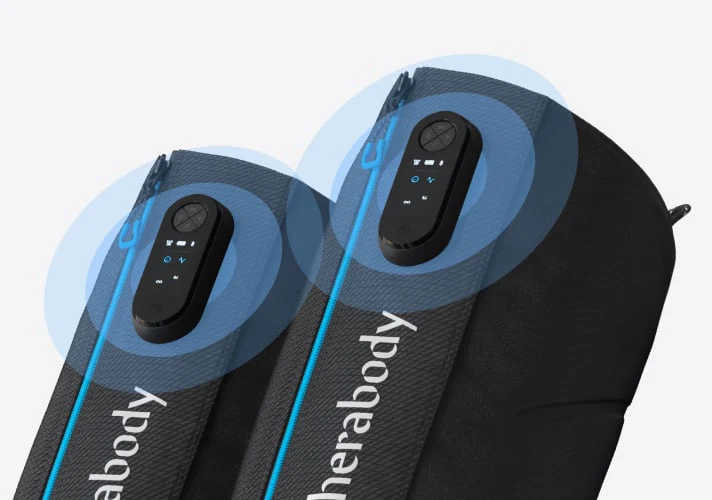
Wireless recovery boots solve a boring problem, which is why they work in real homes. You can use them on the couch during an NBA game, in a bedroom after the kids fall asleep, or at a hotel after a race expo. The official JetBoots Prime page describes the boots as wireless, lightweight, and portable, with a built-in pump system and a simple LCD control setup. That matters more than a glossy feature list. For small apartments in New York, shared houses near college towns, and suburban living rooms already full of kids’ gear, less setup can be the difference between weekly use and regret.
A Dallas nurse coming home after a twelve-hour hospital shift is not setting up a recovery station with ceremony. A Boston runner is not dragging hoses across an apartment after hill repeats. The product wins when it removes tiny excuses. There is a catch. Wireless does not mean invisible. These boots still take up space, require charging, and ask you to sit. Buyers who expect recovery while folding laundry or making dinner will be disappointed. The best use case is quieter: put your phone down, put your legs in, and let the session become a hard stop between stress and sleep.
What You Actually Get When the Price Drops
A price drop can make any gadget look tempting, but compression boots are not a gadget you should judge by hype alone. The value sits in pressure control, fit, session timing, and whether the device feels easy enough to use when you are tired. Fancy extras matter less than repeatable comfort.
The pressure range is the feature to watch
The pressure setting tells you more than the product photo. Therabody lists JetBoots Prime with compression time options of 20, 40, 60 minutes, or continuous, plus pressure from 25 to 100 mmHg in 25 mmHg steps. That range gives most active users room to start light and move up with comfort.
At home, leg compression therapy should feel firm, not punishing. A common mistake is treating higher pressure like higher quality. It is not. If you finish a session feeling trapped, itchy, or sore in a new way, you are not winning. Comfort is not a soft metric here. It decides whether you return to the habit after the first week. The smarter approach is plain. Use a lower setting after long runs, hot outdoor work, or heavy leg days until you know your tolerance. Save higher pressure for times when you already know your legs respond well. This is where a patient buyer beats a flashy buyer every time.
There is also a medical line that should not be blurred. People with vascular conditions, clotting history, major swelling, pregnancy concerns, or post-surgery recovery should ask a clinician before using compression devices. A 2024 review in an NIH-indexed journal found that lower-limb intermittent pneumatic compression may help sports recovery, especially perceived soreness, but “may help” is not the same as “safe for every body.” The NIH-indexed review is a useful reminder that recovery tools sit between fitness gear and body-care equipment.
Battery life shapes the routine
Battery life sounds like a spec-sheet detail, but it decides how annoying the product feels after week two. Therabody lists JetBoots Prime at 180 minutes of battery life. The PRO Plus range is listed at 150 to 240 minutes, depending on settings and features. That is enough for many home users, but wireless recovery boots only feel convenient when charging becomes part of the storage plan.
That means a household can often get several normal sessions before charging, but only if people put the boots back near the cable. This is the part no ad shows. The best recovery device in the house becomes a closet brick when nobody charges it. A practical setup beats a perfect setup. Keep the boots in one visible place. Put the charging cable in the same basket. Pick two repeatable recovery windows, such as after Sunday long runs and Wednesday lower-body workouts. The habit should be boring enough to survive a busy week.
The included gear matters, too. JetBoots Prime comes with the boots, a drawstring backpack, and a USB-C charging cable, according to Therabody. That does not sound dramatic, but it affects travel. If you are flying from Denver to a race in Phoenix, a cleaner pack-and-charge routine can decide whether the boots make the trip or stay home.
Who Should Buy Them and Who Should Wait
The best buyer is not always the hardest trainer. It is the person with repeat leg fatigue, enough downtime to sit, and a realistic view of what compression can and cannot do. The worst buyer is chasing a shortcut. These boots can support recovery, but they cannot repair poor sleep, skipped meals, bad programming, or shoes that should have been retired months ago.
Runners, lifters, travelers, and shift workers have different needs
A marathon runner wants less next-day heaviness after long runs. A lifter may want a calmer wind-down after squats or sled pushes. A frequent flyer may care more about stiffness after sitting for five hours than gym soreness. A retail manager standing on concrete all December may want relief that does not require another appointment.
Those buyers do not share one perfect routine. That is why wireless recovery boots are easier to recommend by lifestyle rather than by sport. The runner may use them for 40 minutes after a Saturday session. The lifter may prefer a shorter evening session. The traveler may pack them for destination races, not every work trip. The pressure to buy often comes from watching athletes use the gear in polished settings. Real life is messier. You may use them while a dog climbs across your lap, while a kid asks for snacks, or while dinner sits half cleaned. That does not make the routine weaker. It makes the routine honest. A routine built around leg compression therapy has the best chance of sticking when it fits that messy hour between work, dinner, and sleep.
Therabody compression boots make the most sense when they remove a barrier you already face. If you hate foam rolling, skip cooldowns, and rarely book massage because your schedule is packed, the boots give you a low-effort recovery lane. That lane still needs time. It does not need athletic drama.
When simpler recovery habits still win
Some shoppers should wait. If your training is light, your legs rarely feel beat up, or you already recover well with walking, mobility work, and sleep, the deal may not be a deal for you. A discounted device that sits unused is not affordable. It is expensive clutter.
There is also a comfort issue. Compression boots wrap the legs, inflate, and hold you in place. Some people love that snug pressure. Others feel boxed in after ten minutes. Trying a friend’s pair, a recovery lounge session, or a store demo can save regret. The counterintuitive truth is that a buyer with moderate soreness may enjoy the product more than a buyer in constant pain. Constant pain needs assessment. Moderate training fatigue needs routine support. Those are not the same problem.
Before buying, fix the cheap basics first. Replace worn running shoes. Eat enough protein. Add one easy recovery walk per week. Go to bed earlier on hard training nights. Then judge the boots as a support tool, not a rescue plan. A smart home fitness recovery plan starts with habits that do not need batteries. If those basics are already in place and your legs still feel heavy two or three times a week, the boots have a clearer role.
How to Judge the Deal Before You Checkout
The right deal is not only about the sale tag. It is about which model you are choosing, whether the size fits, what the return window allows, and how much feature depth you will use. Compression gear gets expensive when buyers pay for features that impress them on a page but never matter at home.
Compare Prime with Pro Plus honestly
Therabody’s own comparison makes the buying split clear. JetBoots Prime covers pneumatic compression, a wireless design, four overlapping air chambers, built-in pumps, and an LCD screen. JetBoots PRO Plus adds infrared LED therapy, vibration, deeper settings, preset treatments, and faster compression cycles with FastFlush Technology. The listed prices show a wide gap: $549.99 for Prime and $1,149.99 for PRO Plus.
That gap is the decision. If you want a premium recovery station and will use vibration, presets, and LED features, Pro Plus may fit. If you mostly want leg compression after runs, travel, standing work, or gym days, Prime may be the cleaner buy. Among wireless recovery boots, paying less for the core function can be wiser than paying more for features you will test once and ignore. A WIRED review of JetBoots PRO Plus praised the three-in-one design, but it also framed the $1,150 price as the central question and noted the more affordable Prime option in the comparison. That is the same question a normal buyer should ask at checkout: which features will change my week?
Do not buy the larger feature set because it sounds more complete. Buy it only if you can name the exact moments when those extras matter. If you cannot, put the savings toward race fees, better shoes, or a smart workout recovery checklist you will follow.
Check sizing, returns, and use case first
Fit can make or break compression. Therabody tells buyers to measure inseam and leg length, then size down when between sizes for proper fit. The official page also lists 30-day returns, FDA clearance, and a one-year limited warranty for JetBoots Prime. Those details deserve attention before any discount code.
Sizing is more than comfort. If the boots are too loose, pressure can feel uneven. If they are too tight, you may cut sessions short. Measure before buying, not after the box arrives. Also check whether your preferred retailer handles opened returns the same way the brand store does, because recovery products can fall into stricter return categories. Return policy matters because this product is personal. Two people with the same height and training routine can react to compression in different ways. One may feel lighter after 20 minutes. Another may feel restless and overheated. Neither person is wrong.
The final test is boring and useful: write down when you would use the boots in the next seven days. If you can name three real windows, the deal has a place in your life. If every answer begins with “someday,” close the tab and wait. Better prices come and go, but an unused recovery device always costs the full amount.
Conclusion
Recovery gear is growing up. The old version of this category sold status first and usefulness second. The new version has to survive tighter household budgets, smarter shoppers, and crowded apartments where every device needs a job. That is why this price moment matters. It pushes RecoveryAir JetBoots into a more practical conversation for Americans who train, travel, stand all day, or want a calmer way to end hard leg sessions. The best buyer will not expect magic. They will expect a repeatable sit-down routine that makes recovery easier to keep. That is a fair job for these boots. Before buying, compare the model tiers, measure your legs, read the return terms, and be honest about your week. If the boots fit your real routine, not your fantasy routine, the deal may be worth taking before the next rush raises the pressure again.
Frequently Asked Questions
How much do Therabody JetBoots usually cost?
Therabody lists JetBoots Prime at $549.99 and JetBoots PRO Plus at $1,149.99. Sale prices can change by retailer, season, and stock level, so the best move is to compare the official store with major U.S. retailers before buying.
Are Therabody compression boots worth it for runners?
They can be worth it for runners who deal with repeat leg heaviness after long runs, speed work, or high-mileage weeks. They make less sense for casual joggers who recover well with walking, stretching, food, and sleep.
What is the main difference between JetBoots Prime and Pro Plus?
Prime focuses on wireless pneumatic compression. Pro Plus adds infrared LED therapy, vibration, preset routines, deeper controls, and faster compression cycles. The better choice depends on whether you will use those extras often enough to justify the higher price.
Can compression boots replace stretching or foam rolling?
No. They can support a recovery routine, but they should not replace mobility work, sleep, hydration, strength balance, or smart training loads. Think of them as a sit-down recovery aid, not a complete plan.
How long should a compression boot session last?
Many users start with 20 minutes and adjust based on comfort. JetBoots Prime offers 20, 40, 60-minute, and continuous options. New users should begin with lower pressure and shorter sessions before building a routine.
Are wireless compression boots good for travel?
They can be useful for race weekends, road trips, and hotel recovery because there are no external hoses to manage. The tradeoff is packing space. Check bag size, charging needs, and airline rules before bringing them.
Who should avoid using leg compression devices?
People with clotting concerns, vascular disease, severe swelling, recent surgery, certain heart conditions, or pregnancy-related concerns should ask a healthcare professional first. Compression is not risk-free for every person.
What should I check before buying during a sale?
Check the model, size chart, pressure range, warranty, return window, retailer reputation, and whether the product is new or refurbished. A lower price only helps when the boots fit your body, your routine, and your actual recovery needs.