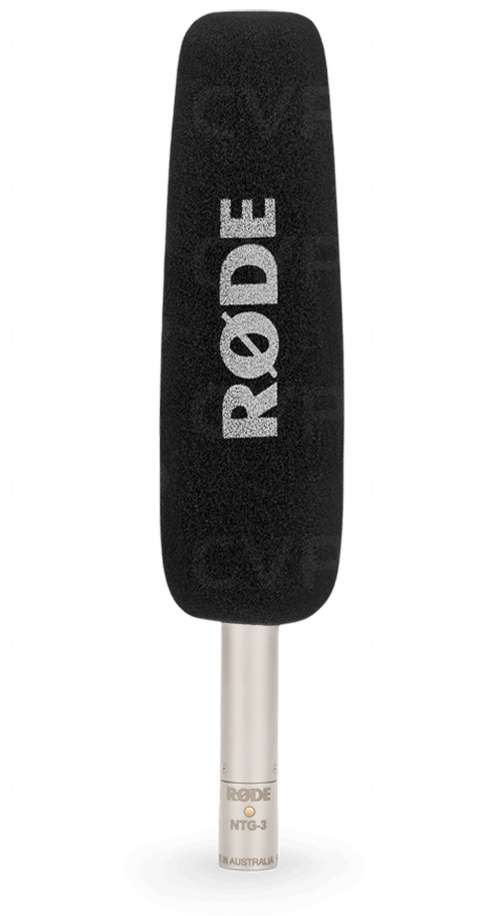
A good microphone deal rarely feels exciting until your next clip sounds hollow, windy, or thin. That is why the Rode VideoMic NTG sale is getting attention from U.S. creators who want cleaner audio without building a full studio kit. At a lower street price, this compact on-camera shotgun microphone becomes a smarter buy for YouTubers, real estate shooters, wedding second shooters, teachers, and small business owners who record with a mirrorless camera, phone, or laptop. It is not only about saving money. It is about buying one piece of gear that can move between field work, desk recording, and quick voiceovers without slowing you down. For deal watchers who follow creator gear deal coverage, the real question is simple: does this sale make sense now, or should you wait for a cheaper starter mic? The answer depends on how often bad audio has already cost you a retake, a lost viewer, or a client note you did not want to hear. For busy American creators, fewer audio mistakes can turn a rushed shoot into usable content.
Why the Rode VideoMic NTG Sale Is Pulling Creator Attention
Most camera gear deals make people chase specs they may never use. This one feels different because audio failure is easy to hear. A soft image can pass on social video; muffled speech makes viewers leave. When an on-camera shotgun microphone drops into a friendlier price range, it starts to compete with smaller mics that cost less but solve fewer problems.
The sale hits the pain point most creators feel first
New creators usually buy lights and lenses before they fix sound. That choice makes sense on paper because video looks more exciting than audio. Then they shoot in a kitchen, a parked car, or a small office with a loud air vent. The picture looks fine. The voice does not.
That is where this deal has teeth. A camera-mounted mic with strong directionality helps pull speech forward and push some room noise back. It will not turn a noisy street into a sound booth, but it gives you a cleaner starting point than a built-in camera mic. For a solo creator in Dallas filming product clips at a dining table, that can mean fewer takes and less time trying to rescue audio later.
The non-obvious part is that the cheaper mic is not always the cheaper choice. A bargain model can work for one setup, then fail when you move to a phone, a laptop, or a second camera body. Once adapters, cables, and backup gear enter the cart, the savings start to shrink. A sale price on a flexible mic can beat a low price on a narrow one, especially when your content calendar does not stay in one room.
One mic covering camera, phone, and desk work changes the math
A lot of U.S. creators no longer record in one place. A realtor may film a home tour on a camera, record a quick market update on a phone, then add a voiceover from a laptop at night. A small fitness coach may shoot gym clips, Zoom calls, and paid course lessons with the same voice. The gear has to follow that messy routine.
This model works as a USB shotgun mic as well as a camera mic, which is why the lower price matters. It is not locked to one job. RØDE lists camera, mobile, and computer use among its official product details, along with USB output and 3.5mm output, so the appeal is built around movement between setups rather than a single fixed rig. official product details from RØDE
That does not mean every buyer needs it. A desk-only podcaster may be better served by a dedicated dynamic mic. A filmmaker with a sound person may want an XLR shotgun and recorder. But for the creator who shoots alone and packs fast, one tool that handles several common recording scenes has real value. Fewer devices also mean fewer chances to forget a cable, charge the wrong battery, or pick the wrong input before a client walks in. That matters on small jobs, where there is no crew member standing by with a backup bag. The gear that wins is often the gear you can set up while still talking to the person on camera.
What the Lower Price Means for Real-World Audio Work
A sale only matters when it changes the buyer’s decision. For many shoppers, that decision sits between a cheap starter mic, a phone-only wireless kit, and a more serious camera-top option. If the discount makes a mid-tier mic compete with entry-level picks, the choice shifts from “What is cheapest?” to “What will I still use six months from now?” That is the better question. Good gear should stay useful after your workflow grows. That is why the real value sits in daily use, not in a dramatic price tag.
Better sound is often the fastest upgrade you can hear
You do not need trained ears to notice bad speech audio. Viewers hear room echo, hiss, wind, and clipping right away. They may not know the cause, but they feel the clip is less polished. That is painful for creators who already spent time on lighting, framing, and editing.
An on-camera shotgun microphone gives you a direct fix for common camera audio problems. It puts the mic closer to the subject than the camera body’s built-in capsule, and its pickup pattern favors the area in front of the mic. In a small apartment studio in Phoenix, that can help a talking-head video feel less boxy. In a backyard product demo, it can help a voice stand apart from birds, traffic, and neighbor noise.
The counterintuitive part is that better sound can make average video look better. Clean speech gives the viewer confidence. It makes the whole clip feel more planned, even when the camera is a basic mirrorless body or a phone on a tripod. Audio carries trust. That trust matters when you are selling a service, teaching a skill, reviewing a product, or trying to keep a viewer past the first thirty seconds. In many homes, this is the difference between posting a clip the same night and opening the editor with dread. You may still clean up levels, but you are no longer fighting a recording that began in the wrong place.
The sale price matters most when you avoid extra purchases
The common trap with creator gear is buying one item that creates three new needs. You get a mic, then need a phone adapter, then a recorder, then a headphone workaround. The original deal starts to look less sweet. That is why buyers should judge a camera microphone sale by the full kit, not the sticker price alone.
For many hybrid creators, the strong point here is the range of connection options. You can run into a camera for field clips, then connect by USB for a voiceover or call. The 3.5mm jack can also serve monitoring needs in USB mode, which helps when you are checking levels from a desk. That kind of flexibility is not glamorous, but it saves time. It also lowers the mental load when you record alone. You are not thinking about which mic belongs to which device. You are thinking about the shot, the message, and whether the take feels honest.
Read the product page, check what cables come in the box, and compare it against the accessories you already own. A Sony, Canon, Nikon, or Panasonic camera may be simple. A newer iPhone setup may need a specific cable or adapter. The deal is strongest when it fits the devices already in your bag. That is also why a sale near gift season, graduation season, or summer travel work can move fast. People are not only buying a microphone. They are buying a fix before the next trip, booking, or content batch. A parent filming a senior project, a coach building paid lessons, and a freelance shooter covering a local event all need the same thing: speech that lands the first time.
Who Should Buy Now and Who Should Wait
A low price can create pressure, but pressure is not the same as need. The right buyer is someone who records speech often and wants fewer moving parts. That buyer may not call themselves a filmmaker. It may be a dentist recording patient education clips, a pastor posting weekly messages, or a high school coach filming recruitment updates. The wrong buyer is someone chasing a deal because the internet said it was rare. Audio gear earns its keep only when it solves a repeat problem.
Buy now if speech quality keeps holding back your videos
This is a strong buy for creators who film people talking: YouTube educators, vloggers, coaches, product reviewers, real estate agents, wedding shooters, and local business owners. If your videos depend on voices, a mic upgrade can matter more than a sharper lens. People forgive a plain background faster than they forgive hard-to-hear words.
A USB shotgun mic also makes sense for creators who split time between field and desk work. Maybe you shoot a car walkaround outside, then record a voiceover inside. Maybe you film a cooking clip, then join a client call. A mic that can shift roles saves space and reduces small setup errors.
Use a simple test before buying. Look at your last ten videos. If more than three had low speech, wind rumble, echo, or clipped peaks, your problem is not rare. It is a pattern. A sale price becomes more than a discount when it fixes a pattern you keep paying for with time. For a creator posting twice a week, even one saved retake per shoot adds up by the end of a month.
Wait if your setup needs a different kind of mic
This is not the right answer for every audio problem. A shotgun mic on top of a camera still works best when it sits reasonably close to the speaker. Across a large room, it may sound distant. In a loud event hall, it will not isolate speech like a well-placed lavalier on the person speaking.
A lav mic may be better for interviews where the camera sits far away. A studio dynamic mic may be better for a desk podcast in an untreated room. A full XLR setup may be better for paid film work with a boom pole and dedicated recorder. The sale should not talk you into the wrong tool. The smartest buyer is not the one who grabs every discount. It is the one who knows the job the gear must do. That can sound boring, but boring gear decisions are often the ones that keep money in your pocket.
There is also a budget point. If buying this mic leaves no money for a small tripod, wind protection, or the right cable, wait and price the whole setup. A mic without the right support gear can frustrate you on day one. The best deal is the one that works when the box arrives. If you record outdoors often, a better wind cover may matter as much as the mic itself.
How to Check the Deal Before You Checkout
Deal language can be slippery. “Lowest price” may mean one retailer, one bundle, one color, one coupon window, or one price-tracker snapshot. That does not make the deal fake, but it means you should verify the details before you pay. Retail pages change by the hour, and a coupon can vanish while the base price stays the same. Treat the sale badge as a lead, not as proof. A careful buyer can spot the difference between a rare drop and a normal discount wearing louder clothing.
Compare the bundle, not the headline price
Start with what is in the box. A mic-only deal is not the same as a kit with a tripod, cable, case, or wind cover. Some bundles look more expensive but save money if they include gear you planned to buy. Others add filler you will never use. The headline price rarely tells the full story.
Check Amazon, B&H Photo, Sweetwater, Adorama, and the official brand page for U.S. availability. Major retailers may show different stock status on the same day. In one common deal pattern, Amazon drops the price while another store holds the standard tag or runs out of stock. That split can make the sale feel sudden.
Then check the seller. A lower price from an unknown marketplace listing is not the same as a deal from an authorized retailer. Warranty support, return windows, and shipping speed matter, especially with gear you may need for a paid shoot next weekend. Saving a few dollars is not worth losing easy returns. A clean camera microphone sale should make the buying decision calmer, not riskier.
Watch for the hidden costs that decide the real value
The mic is only part of the recording chain. Wind protection matters outdoors. A short USB-C cable may not fit your desk. A phone setup may need an Apple or Android-friendly adapter. A camera cage or cold shoe setup may need a small mount. Small costs can change the final price fast. They also decide whether the mic feels ready on day one or becomes another box waiting for the missing cable.
This is where smart video gear buying habits help more than panic buying. List your current devices first, then match the mic to them. Do you need camera use, laptop use, phone use, or all three? Do you record outside often? Do you monitor audio while recording? Those answers decide whether the sale is a clean win.
One more detail deserves attention: return timing. If you buy for a trip or a paid shoot, test the mic the day it arrives. Record indoors, outdoors, through USB, and into your camera. Waiting until the deadline turns a small setup issue into stress.
A second internal check is your upgrade path. If you plan to build a full studio soon, read through home studio gear deals and compare the mic against desk-first options. If your main work happens on a camera or in mixed locations, the sale makes more sense. A good deal should fit where you are going, not only where you are today. That single mindset can save you from buying gear twice. It also keeps the deal in its proper place. The sale should support your workflow, not become the reason you invent a workflow around a new toy.
Conclusion
Audio gear should not make your workflow feel heavier. It should remove small failures before they reach the edit. That is the best case for this sale: it gives solo creators, small teams, and mobile professionals a chance to buy one mic that covers more than one recording situation. The Rode VideoMic NTG is not magic, and no shotgun mic can fix bad placement or a chaotic room. Still, a lower price makes its flexible design easier to justify for U.S. buyers who record speech across cameras, phones, and computers. Before checking out, compare the bundle, confirm the seller, and think through your real recording habits. If the mic solves a problem you hit every week, the sale is not only a discount. It is a shortcut to cleaner work. Buy it because your next video deserves better sound, not because a countdown timer told you to hurry. The right purchase should feel useful after the sale banner disappears.
Frequently Asked Questions
How much should I pay for a good shotgun mic deal?
A strong deal usually drops below the common street price from trusted U.S. retailers. Compare at least three stores before buying. Watch the bundle contents, seller name, and return policy, because a cheap listing can lose value if it lacks support or needed accessories.
Is this kind of mic good for YouTube videos?
Yes, it can work well for YouTube when the speaker stays close to the camera. It is best for talking-head clips, product reviews, vlogs, and quick field recordings. For far-away speakers, a lavalier or boom setup may capture cleaner speech.
Can I use it for podcasting from a computer?
Yes, it can work for desk recording through USB, especially for creators who also need camera use. A dedicated broadcast-style dynamic mic may still suit a desk-only podcast better. The stronger value comes from using one mic in more than one setup.
Does a shotgun mic remove background noise?
No mic fully removes background noise at the source. A directional pattern helps favor sound in front of the mic, but placement still matters. Move the mic closer, avoid hard reflective rooms, turn off fans, and record away from traffic when possible.
Is a camera-mounted mic better than a lavalier?
It depends on distance and movement. A camera-mounted mic is easier for fast filming and solo work. A lavalier is often better when the subject stands far from the camera or turns away while speaking. Many working creators keep both.
What should I check before buying a discounted mic bundle?
Check the seller, warranty terms, return window, included cables, wind protection, and device fit. A bundle with the right cable can save money. A bundle with random add-ons may not. The lowest sticker price is not always the best total deal.
Will this work with phones and tablets?
It can work with many mobile setups, but the exact cable or adapter matters. USB-C devices may be simpler than Lightning devices. Check your phone model, recording app, and cable needs before ordering so you are not stuck waiting on accessories.
Is now a good time to upgrade from a built-in camera mic?
Yes, when speech quality is holding back your videos. Built-in camera mics are convenient, but they often capture room sound, handling noise, and distant voices. A dedicated external mic gives you more control and usually makes editing less painful.