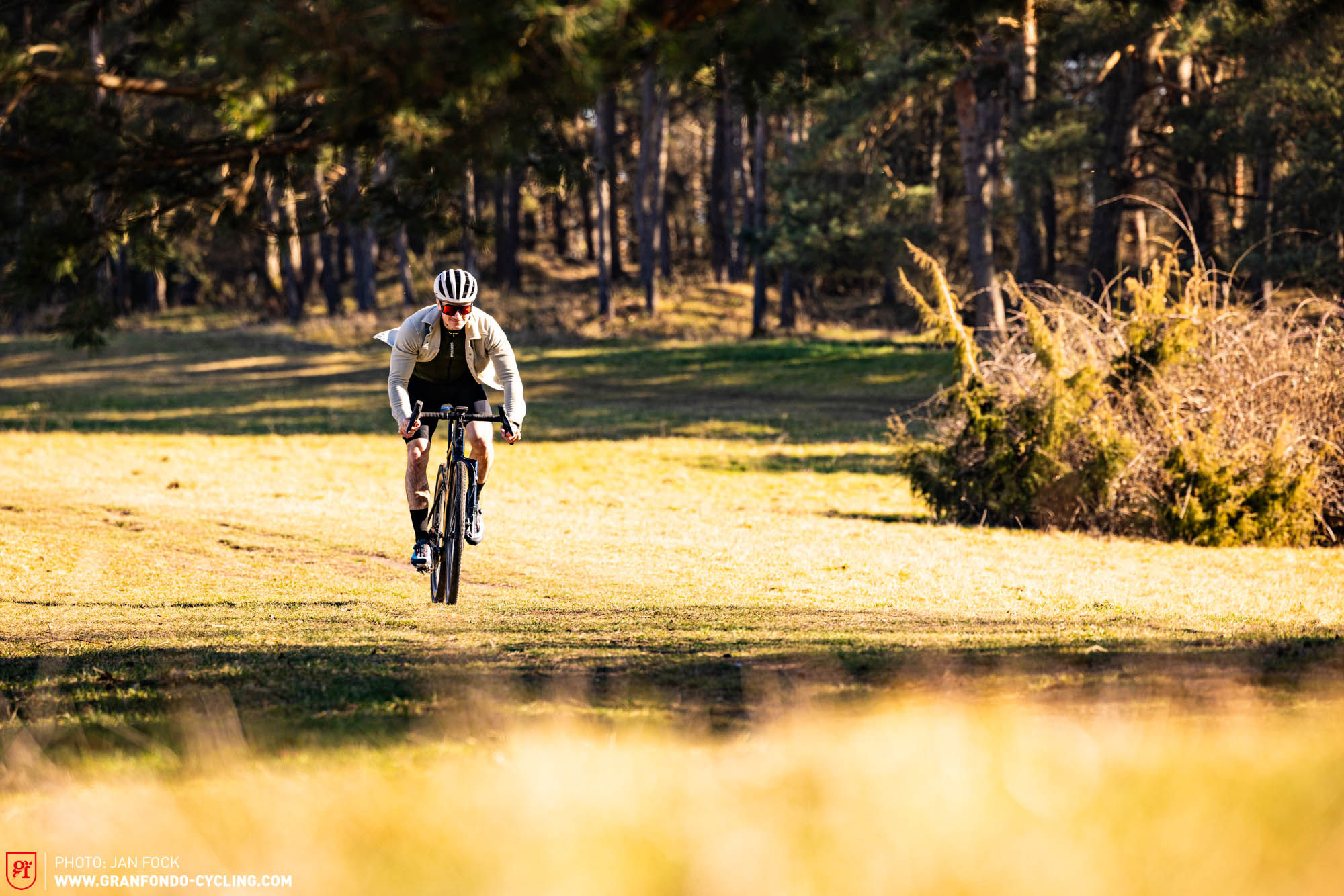
Bike demand gets loud when the weather starts turning, but gravel riders know the rush begins earlier than most shoppers expect. For American riders watching Topstone Carbon availability, the real question is not whether the bike looks good on a product page. It is whether the right size, build, and local dealer path will still be there once spring rides, early summer races, and weekend bikepacking plans hit the calendar. This Cannondale gravel bike has the kind of feature mix that makes people act sooner: carbon frame comfort, trail-friendly suspension, room for bags, and a ride feel aimed at rough roads, not showroom posing. Cannondale describes the current platform around KingPin rear suspension, the Lefty Oliver option, downtube storage, and multiple mounting points, which explains why it attracts riders who want one bike for paved miles, farm roads, and loaded trips. For shoppers tracking outdoor gear and cycling deals, the smart move is simple: treat this less like a casual bike purchase and more like reserving the exact tool you want before gravel bike season gets crowded.
Why Topstone Carbon Demand Feels Different This Season
The buying pressure around this bike does not come from one flashy detail. It comes from a rare overlap: road-bike speed, gravel comfort, and enough carrying ability for riders who hate being boxed into one style. In the USA, that matters because gravel is not one thing. A rider in Kansas may face endless washboard. A rider in Vermont may hit steep dirt climbs and broken Class IV roads. A rider outside Denver may need pavement efficiency for an hour before the good stuff begins.
That variety creates a strange purchase window. People are not all chasing the same race date, yet they often start shopping in the same few weeks. Tax refunds land, club calendars open, spring trips get booked, and suddenly the medium frames with the best spec are the ones everyone wants. The bike becomes scarce by shape, not by name.
The rush is about size and timing, not empty hype
The phrase “selling out” can sound dramatic, yet bike shortages often happen in a quieter way. The bike may still exist online, but your preferred frame size, color, or build may not be reachable through the shop you trust. That is where the friction starts. A 54 cm frame with the build you want can disappear while a 61 cm frame sits untouched.
This is why early shoppers tend to have the edge. They are not buying because a banner told them to panic. They are buying because they know fit beats discount. A carbon gravel bike that feels wrong in the cockpit will not become a better deal because it saved you a few hundred dollars. A sore neck on mile 35 does not care what the receipt said.
The non-obvious point is that local dealer access matters as much as online stock. Cannondale’s site points riders toward authorized shops and product-locator tools, and that setup can help with sizing, assembly, warranty paths, and service questions before the first dirt ride. A serious gravel purchase is half bike and half support system.
Suspension makes rough American routes less punishing
Cannondale’s gravel suspension story is the reason this bike keeps pulling attention away from simpler frames. The brand says KingPin gives up to 30mm of rear-wheel travel through frame flex around a thru-axle pivot, while the Lefty Oliver fork option adds 40mm up front. That does not turn the bike into a mountain bike. It changes how long you can stay smooth when the road gets choppy.
Think about a Saturday route in the Flint Hills. The first hour feels fast. Then the washboard starts. A stiff gravel frame may still be quick, but your hands, lower back, and shoulders begin paying the bill. Suspension that stays subtle can help you keep pressure on the pedals instead of floating over every rough patch with tense arms.
The surprise is that comfort can be a speed feature. Many riders picture suspension as extra weight or lost snap. On rough ground, the bigger loss often comes from backing off because the bike is bouncing, skipping, or beating you up. The right setup keeps you calmer, and calm riders make better choices at mile 48. That is where a long ride changes from survival to rhythm.
The Build Details That Make This Cannondale Gravel Bike Stand Out
A high-demand bike needs more than a famous logo. The details have to survive daily use, bad weather, and the strange mix of gear American gravel riders carry. This is where the platform feels less like a race-only toy and more like a practical machine with race blood. The frame details matter because they decide whether the bike grows with your riding or traps you in one setup.
That growth matters more than shoppers admit. A rider may buy the bike for Sunday dirt roads, then sign up for a 100-mile event six months later. Another rider may start with fast local loops and end up packing for a two-night trip through Michigan farm country. The best frame is the one that leaves doors open without making every ride feel heavy.
Storage, mounts, and service choices matter after the new-bike shine fades
The StashPort downtube storage system is one of the more useful choices on the current platform. Cannondale says the system sits under the bottle cage and pairs with a StashBag for ride tools and small essentials. The frame also lists multiple gear and bottle mounts, a BSA threaded bottom bracket, UDH, internal cable routing, and dropper-post readiness on the model details. Those are not small things when you ride far from home.
Picture a rider leaving Phoenix before sunrise. Two bottles are already not enough. A flat kit inside the downtube frees up space for an extra bag, a wind shell, or food. On a humid Missouri route, the same storage can keep tools from rattling around in a saddle pack. Little choices become ride quality.
The counterintuitive bit is that the least glamorous parts may be the best reason to buy early. A threaded bottom bracket will not sell a dream on Instagram. But after a gritty wet ride, service-friendly parts can save both money and mood. A bike meant for dirt should not punish you every time it needs care.
Tire clearance changes the buying decision
Tire room is where modern gravel bikes separate themselves from older all-road frames. Cannondale lists clearance up to 52mm at the frame with a 1x setup, 45mm with a 2x setup, and up to 47mm at the Lefty Oliver fork on the referenced model page. That range gives riders more freedom than the narrow tire thinking that shaped early gravel builds.
This matters because a carbon gravel bike may need two personalities. On a fast rail-trail century in Pennsylvania, a narrower, faster tire may make sense. On loose Forest Service roads in Colorado, extra volume can mean grip, comfort, and fewer sketchy moments in corners. Tire choice changes the whole bike.
Do not treat clearance as bragging rights alone. Bigger is not always better. The better question is whether the frame lets you choose. If your routes shift from pavement-heavy winter miles to chunky summer gravel, clearance gives you room to tune the bike instead of replacing it. That flexibility has value because most riders learn their true tire taste after a season, not during the first shop visit.
How To Buy Before The Gravel Bike Season Rush Hits
The worst way to shop for a premium gravel bike is to start with the prettiest photo. The better path begins with your terrain, fit needs, and the kind of rides you want by late summer. A rider aiming for Unbound-style endurance training needs a different setup than someone who wants quiet Sunday mixed-surface loops outside Minneapolis. Same bike family, different pressure points.
Make a small route list before you call a dealer. Write down your normal weekday ride, your dream weekend ride, and the roughest route you expect to attempt this year. If all three look alike, your choice is easier. If they pull in different directions, the bike needs range, not a narrow talent. Use a gravel bike buying checklist before you compare builds, then save a bikepacking setup guide for the first trip that needs bags.
Start with fit, then decide the build
Fit comes first because gravel riding magnifies small mistakes. A reach that feels acceptable on a 20-minute shop test can feel harsh after four hours into headwind and washboard. Ask the shop about stack, reach, stem length, and bar width before asking about paint. It sounds boring. It is not.
Cannondale notes Proportional Response construction, meaning the frame design is tuned by size so different riders get a more balanced ride feel across the range. That is helpful, but it does not replace a proper fit conversation. Your height, inseam, flexibility, hand comfort, and riding goals still decide the final call.
A good shop may steer you away from the size you thought you needed. That can feel annoying when stock is tight. Listen anyway. The bike you can get today is not always the bike you should own for the next five seasons. A delayed order is easier to accept than a frame that never settles under you.
Know which upgrades matter on day one
Most riders do not need to upgrade everything before the first ride. Tires, contact points, pedals, and fit changes matter more than cosmetic swaps. If the stock tires suit your terrain, ride them. If your local roads are sharp, loose, or wet, ask the shop about a tubeless setup and casing choice before chasing lighter bottle cages.
Recent bike media has treated the higher-end Lefty AXS build as a strong technical-terrain option, with BikeRadar praising its handling, comfort, singletrack manners, and increased 52mm tire clearance while also questioning whether small updates alone justify an upgrade from the prior generation. That is a useful buying lens. If you already own a recent gravel bike you love, the case may be weaker. If you are moving from a stiff alloy frame or an older endurance road bike, the jump can feel much larger.
Also budget for the unsexy pieces: shoes that fit, spare hanger planning, bags that do not rub, and lights for dawn starts. The PeopleForBikes safety and advocacy resources are worth keeping in mind because real riding happens near cars, crossings, dogs, and rough shoulders, not inside product charts. A bike purchase should make the whole ride safer and cleaner, not only faster.
Is This Carbon Gravel Bike Right For Your Riding?
A bike can be excellent and still be wrong for some riders. That is the part many launch-season pages skip. The best match is not always the lightest frame or the wildest fork. It is the bike that removes the pain points you face most often. For many Americans, those pain points are rough roads, long mixed loops, limited free time, and the desire to ride one bike across many surfaces.
This is also where ego can get expensive. Gravel culture loves big plans: remote routes, sunrise starts, 200-mile goals, and dusty finish-line photos. Those are great. But your weekly riding tells the truth. If your normal roads are harsh and you want to ride longer, suspension and tire space make sense. If your weekly riding is smooth and short, the benefit shrinks.
Riders who will get the most from it
This Cannondale gravel bike makes the most sense for riders who do not stay on perfect crushed limestone. If your rides include broken pavement, county dirt, rocky connectors, ranch roads, and short singletrack sections, the suspension and tire room start making sense. It is also a strong fit for riders who want to carry gear without turning the bike into a slow touring rig.
A rider in western North Carolina is a good example. The ride may start with paved climbing, turn onto rough gravel, cross shaded wet patches, then drop back to town on fast pavement. That kind of route rewards a bike that can calm rough ground without feeling sleepy on the road. Bikerumor’s review framed the handling as quick and planted rather than mountain-bike-like, which lines up with that use case.
The hidden benefit is confidence. New gravel riders often think they need more fitness. Sometimes they need a bike that stops punishing small errors. When the front end tracks cleanly and the rear wheel feels less nervous, you brake later, look farther ahead, and finish the ride less cooked. That confidence can make a rider explore more, which is the whole point.
Riders who may be happier on another bike
This may not be the best choice for riders who spend 90 percent of their time on smooth pavement. A lighter, simpler endurance road bike with 35mm tires may feel sharper for fast group rides. A budget-focused rider may also find better value in an alloy gravel bike, especially if local routes are tame and service costs matter more than rough-road speed.
It may also be more bike than a casual path rider needs. If your normal loop is a paved trail, coffee stop, and two miles of fine gravel, suspension and premium carbon parts are not doing enough work. In that case, money may be better spent on fit, helmet, lights, and travel to new routes.
The honest answer is this: buy it for the rides you are growing into, not the rides you only imagine for one weekend. If you plan to train, travel, and explore rougher routes across gravel bike season, the case gets strong. If you want a pretty bike for flat park paths, let someone else chase the limited sizes.
Conclusion
The smart move is not panic buying. It is honest buying. Look at your routes, your body, your shop support, and the season you want to have. A rider who needs comfort over rough miles, space for gear, and a lively feel across mixed surfaces has a real reason to act before peak demand tightens the field. Topstone Carbon sits in that sweet spot between endurance road speed and trail-minded control, and that is why the right build can become hard to find once spring plans turn into deposits and race entries. Still, do not let scarcity do the thinking for you. The best deadline is not the first event on your calendar. It is the day your dealer can still match your fit to the build that suits your terrain. That small timing gap can shape the whole season. Confirm fit, compare builds, ask about service, and choose tires for the ground under your wheels. A good gravel bike should make you ride more often, not make you babysit a purchase. If this Cannondale fits your roads and your goals, call a local dealer before the season fills the calendar.
Frequently Asked Questions
Is this Cannondale gravel bike worth buying before spring?
Yes, if you already know your size and your local terrain calls for comfort, tire room, and gear storage. Waiting can still work, but early buyers have a better shot at the right build. Fit should come before color or discount.
What makes this carbon gravel bike different from a road bike?
The frame, tire clearance, mounts, and suspension features aim at mixed surfaces rather than smooth pavement alone. A road bike may feel quicker on clean tarmac, but this kind of setup handles dirt, washboard, and light trail sections with more control.
How much tire clearance does the current model offer?
The referenced high-end model page lists clearance up to 52mm at the frame with a 1x drivetrain, 45mm with a 2x drivetrain, and up to 47mm at the Lefty Oliver fork. Actual tire fit can vary by rim and tire brand.
Should I choose a 1x or 2x drivetrain for gravel riding?
Choose 1x if you want simpler shifting and wider tire room. Choose 2x if your rides include faster paved sections and you care about smaller jumps between gears. Your terrain matters more than trend pressure.
Is a suspension gravel bike slower on pavement?
Not automatically. On smooth roads, a simple frame may feel sharper. On rough surfaces, controlled movement can help you keep power down and stay fresher. The gain shows up most when the road gets ugly.
Can this bike handle bikepacking trips?
Yes, it is designed with storage and mounting points that suit light bikepacking. Keep load weight sensible and test bag fit before a long trip. A short overnight ride is the best way to find rattles, rub points, and packing mistakes.
What should I check before ordering from a dealer?
Confirm frame size, expected delivery, assembly details, warranty support, return policy, and any needed setup changes. Ask whether the shop can help with tubeless tires, fit adjustments, spare parts, and first-service timing after break-in miles.
Who should skip this bike?
Skip it if most rides stay on smooth pavement, your budget is tight, or you prefer low-cost parts over premium features. A simpler alloy gravel bike or endurance road bike may fit better when rough terrain is not part of your weekly riding.