A yard can either drain your time, money, and water, or it can start working like a living asset. For many American homeowners, sustainable landscaping ideas are no longer about having the “greenest” yard on the block; they are about building outdoor spaces that look good, cost less to maintain, and hold up better through heat, drought, storms, and shifting seasons. A property in Arizona has different needs than one in Vermont, but the same principle applies: the best landscape fits its place instead of fighting it. That mindset matters as families rethink lawns, shade, water bills, and curb appeal with more care than they did a decade ago. Even local businesses, home service brands, and property owners using platforms like digital visibility resources are paying closer attention to outdoor spaces because the front yard has become part of a property’s public identity. A greener property does not need to look wild, messy, or unfinished. Done well, it feels calmer, smarter, and more rooted in the place where you actually live.
Sustainable Landscaping Ideas That Start With the Land You Already Have
Good landscape planning begins before the first plant goes in the ground. The mistake many homeowners make is treating the yard like an empty stage, then forcing it to accept whatever design looks attractive online. The land already has opinions. It has sunny corners, soggy patches, compacted paths, wind tunnels, hungry tree roots, and soil that may either hold water like a bowl or shed it like a roof. Reading those signals first saves money because you stop paying to correct problems that the site was trying to show you from the beginning.
Native Plants for Local Climate Fit
Native plants earn their place because they understand the local rhythm better than imported ornamentals. A homeowner in Georgia who plants oakleaf hydrangea, switchgrass, or coneflower is not making a trendy choice; they are choosing plants that can handle regional heat, rain patterns, and wildlife pressure with less drama. That matters when summer arrives and the yard cannot depend on daily rescue from a sprinkler.
The counterintuitive truth is that native does not always mean carefree. A native wetland plant placed on a dry slope will struggle, and a prairie plant crowded into deep shade will sulk. The win comes from matching the plant to the microclimate inside your own yard, not from buying anything with a native label and hoping nature sorts it out.
Local extension offices in the United States often provide plant lists by region, and those lists are worth more than a glossy catalog. They help you choose groundcovers, shrubs, and trees that support pollinators while still fitting your space. A greener yard starts to feel less like a weekend chore when the plants are no longer fighting the address.
Soil Health Before Plant Shopping
Soil is the quiet dealbreaker in almost every landscape project. People blame plants for failing when the real problem sits six inches below the surface: compacted clay, stripped topsoil, low organic matter, or a pH mismatch. Buying better plants will not fix tired soil. It only makes the failure more expensive.
A simple soil test can change the whole plan. In much of the Midwest, for example, heavy clay can support strong landscapes once it receives compost and better drainage planning. In sandy Florida yards, the challenge often shifts toward holding nutrients and moisture long enough for roots to benefit. Same country, different problem.
Healthy soil also changes how water behaves. Compost helps the ground absorb rain instead of sending it toward the driveway, and mulch protects that work by reducing evaporation. Before you spend a large sum on shrubs, improve the ground they will live in. Roots remember where they are planted.
Designing Water-Wise Yards Without Making Them Look Dry
Once the land and soil make sense, water becomes the next honest test. Many homeowners hear “water-wise” and picture gravel, cactus, and a yard that looks more like a compromise than a home. That is a narrow view. Across the USA, water-smart design can mean rain gardens in Pennsylvania, drought-tolerant borders in California, permeable paths in Colorado, or shade-focused planting in Texas. The goal is not to make every yard look like the desert. The goal is to stop wasting water where it does the least good.
Water Conservation Landscaping That Still Feels Lush
Water conservation landscaping works best when it separates thirsty zones from low-water zones. A small patch of lawn where kids play or dogs run may make sense. A wide strip of turf along the side yard that nobody uses is usually a bill disguised as tradition. The smartest yards put water where people actually benefit from it.
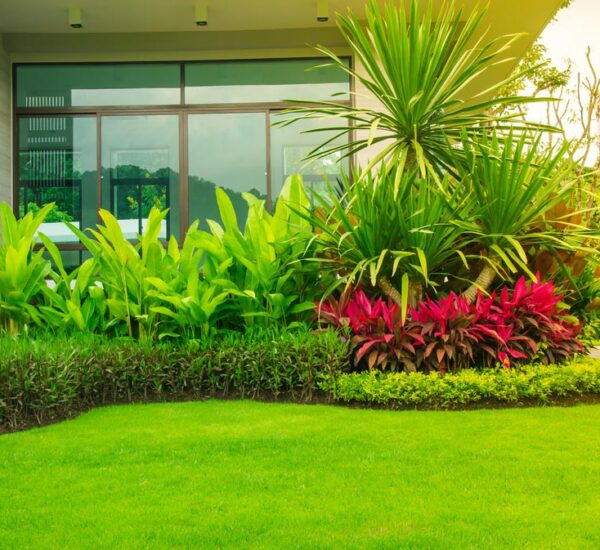
Layered planting helps a water-wise yard feel full instead of sparse. Tall grasses, flowering perennials, shrubs, and shade trees create depth, movement, and seasonal color without needing the same watering schedule as a thirsty lawn. In a Denver suburb, for instance, a front yard with blue grama grass, rabbitbrush, and serviceberry can look intentional while using far less water than a wall-to-wall lawn.
Irrigation also deserves a harder look. Drip lines usually serve planting beds better than spray heads, which lose water to wind, pavement, and overspray. A rain sensor or smart controller can prevent the embarrassing sight of sprinklers running during a storm. Small fixes add up fast when summer water rates climb.
Rain Gardens for Stormwater Control
Rain gardens solve a different kind of water problem: too much water arriving too quickly. In many American neighborhoods, heavy rain rushes off roofs, driveways, and compacted lawns, then heads straight for streets and storm drains. A shallow planted basin can slow that water down and let it soak into the ground where it belongs.
The best rain gardens do not look like drainage features. They look like planted depressions with purpose. In Maryland or Ohio, plants such as blue flag iris, swamp milkweed, and soft rush can handle wet feet after a storm, then tolerate drier days once the water drains away. That flexibility makes them useful in real yards, not only demonstration gardens.
Placement matters more than size. A rain garden near a downspout can catch roof runoff, but it should sit far enough from the foundation to avoid basement trouble. The design should guide water, not trap it against the house. Water conservation landscaping is not only about using less; sometimes it means giving rain a better place to go.
Reducing Lawn Dependence Without Losing Curb Appeal
A lawn still has a place on many American properties. The problem is not grass itself. The problem is treating every square foot as if it needs to behave like a golf course. That expectation burns fuel, fertilizer, weekends, and patience. A better yard keeps the useful parts of lawn and replaces the rest with planting, paths, shade, and texture that make the property feel more complete.
Eco-Friendly Yard Design for Front Spaces
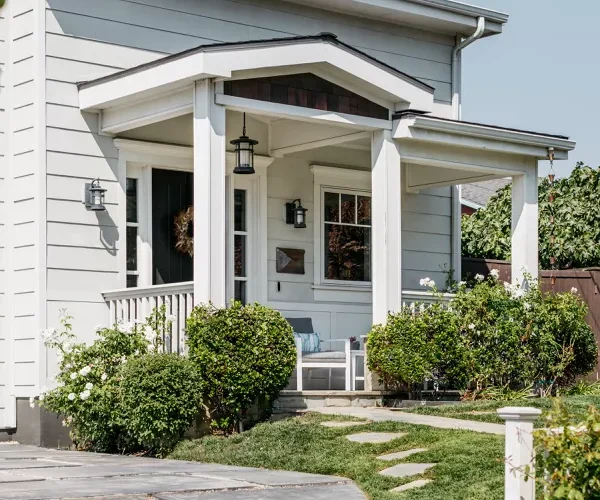
Eco-friendly yard design has to pass the neighbor test. A front yard can be environmentally better and still look cared for, but the edges need intention. Clean borders, repeated plant groupings, neat mulch lines, and visible paths all tell people the design is deliberate. Without those cues, even a smart planting can read as neglect.
A strong front yard often starts with one clear anchor. That might be a small native tree near the walk, a curved bed around the porch, or a low hedge that frames the entry. From there, the planting can loosen up without losing order. This balance matters in suburbs where homeowners associations or local expectations still favor tidy landscapes.
The surprise is that reducing lawn can make curb appeal stronger. A plain lawn often leaves the house exposed, while layered planting gives it depth and softness. A ranch home in North Carolina, for example, can gain warmth from yaupon holly, sedge, and seasonal flowers in a way flat turf never manages. Eco-friendly yard design should make the house look more settled, not less maintained.
Low Maintenance Landscaping That Saves Weekends
Low maintenance landscaping is not the same as no maintenance. That promise causes trouble because every living space needs attention. The better goal is fewer repetitive chores and more useful work. Pruning twice a year feels different from mowing every Saturday from April through October.
Plant spacing plays a major role. Crowding young shrubs creates a full look on day one, then turns into a pruning battle three years later. Giving plants room to reach their mature size may look a bit open at first, but it protects you from constant correction later. Patience is part of the design.
Mulch, groundcovers, and dense planting can also reduce weeds by shading the soil. In a shaded New Jersey side yard, replacing weak turf with Pennsylvania sedge or native ferns can turn a frustrating patch into a calm passageway. Low maintenance landscaping works best when it stops asking the yard to do something it clearly does not want to do.
Building Outdoor Spaces That Support Wildlife and Daily Life
A greener property should serve more than a checklist. It should make daily life better. That means shade where you drink coffee, privacy where the neighbor’s window feels too close, flowers that bring bees without blocking the walkway, and trees that cool the house without threatening the roof. The strongest landscapes support wildlife and people at the same time, because a yard that ignores either one usually becomes awkward.
Pollinator Friendly Gardens With Structure
Pollinator friendly gardens need bloom, shelter, and restraint. Many homeowners plant a packet of wildflower seed and expect magic, then feel disappointed when the result looks thin, weedy, or short-lived. A better approach uses planned layers: early flowers for spring bees, summer blooms for butterflies, and late-season plants for migrating insects.
Structure keeps the garden readable. A mowed edge, stone border, or repeated clump of grasses can make a pollinator bed look designed even when the plants move freely. In Minnesota, a bed with purple coneflower, little bluestem, bee balm, and asters can support insects while still fitting a front walk or backyard patio.
Chemical use deserves a hard pause here. Spraying broad insecticides near flowering plants can harm the same pollinators the garden is meant to help. Pest control should be targeted, timed carefully, and used only when damage crosses a real threshold. Pollinator friendly gardens are not decoration for wildlife; they are working habitat.
Shade, Trees, and Comfort in a Hotter Yard
Shade may be the most underrated part of sustainable design. A tree can lower heat around a patio, protect plants from harsh afternoon sun, and make an outdoor space usable longer into summer. In many American cities, the difference between a bare yard and a shaded one feels like stepping out of a parking lot and into a room with the lights turned down.
Tree choice needs care because the wrong tree becomes a future bill. Fast-growing species can be tempting, but weak branches, invasive roots, or messy fruit may create problems near driveways and roofs. A well-placed oak, red maple, desert willow, or eastern redbud can shape a yard for decades when matched to the region and space.
Comfort also comes from small design decisions. A bench under filtered shade, a gravel path that drains after rain, or a vine-covered arbor near a hot wall can change how often you use the yard. The best sustainable landscaping ideas do not end at lower water bills or better soil. They create places you want to step into, again and again.
Conclusion
A greener property is not built by copying a perfect yard from another climate, another budget, or another lifestyle. It starts when you stop forcing the land to perform and begin shaping it with respect for soil, water, shade, and use. That shift can feel small at first: one replaced lawn strip, one smarter tree, one rain garden near a downspout, one bed of plants that finally belongs where it grows. Over time, those decisions change the whole property. Sustainable landscaping ideas give homeowners a practical path toward outdoor spaces that look cared for without demanding constant rescue. The work is not about proving how eco-minded you are. It is about making a yard that wastes less, supports more life, and still feels like home. Start with the weakest part of your property, solve that one problem well, and let the next decision grow from there. A landscape improves fastest when every choice has a reason.
Frequently Asked Questions
What are the best sustainable landscaping ideas for small yards?
Small yards benefit from layered planting, compact native shrubs, permeable walkways, and one strong shade feature. Skip oversized lawns and choose plants that earn their space across more than one season. A small yard looks better when every foot has a purpose.
How can eco-friendly yard design improve curb appeal?
Strong borders, repeated plant groups, clean paths, and seasonal color make eco-friendly yard design look intentional. Curb appeal improves when the yard frames the house instead of leaving it exposed. A greener front yard should look cared for, not random.
What is water conservation landscaping for American homes?
Water conservation landscaping means designing yards to need less irrigation while still looking attractive. It may include drought-tolerant plants, drip irrigation, mulch, rain gardens, and smaller lawn areas. The right approach depends on local climate, soil, and rainfall patterns.
Are native plants always better for low maintenance landscaping?
Native plants often reduce maintenance, but only when matched to the right spot. A sun-loving native plant will still struggle in deep shade. Low maintenance landscaping works best when plant choice, soil, water, and spacing all fit the actual yard.
How do pollinator friendly gardens help a property?
Pollinator friendly gardens bring bees, butterflies, and beneficial insects into the landscape by offering food and shelter. They also add color, motion, and seasonal interest. The strongest designs look organized while still giving wildlife what it needs.
Can sustainable landscaping reduce monthly home costs?
Lower water use, reduced mowing, healthier soil, and better shade can cut ongoing costs. Savings depend on the property, climate, and design choices. A shade tree near the right wall, for example, may also help keep outdoor spaces cooler.
What plants work best for greener properties in the USA?
The best plants depend on region. Desert willow may suit parts of the Southwest, while serviceberry, coneflower, switchgrass, sedge, and redbud fit many other areas. Local extension offices are strong starting points because they tailor advice to your state.
How should beginners start a sustainable landscape project?
Begin with one problem area instead of redesigning the whole yard. Test the soil, watch how water moves, and note sun patterns through the day. Fixing one weak zone well builds confidence and prevents costly mistakes.