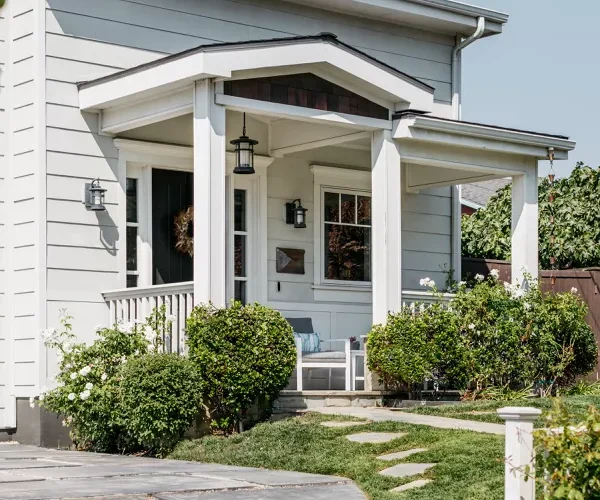
A house can look well-kept and still feel cold from the sidewalk. The difference often starts before anyone reaches the door. Your porch sets the mood for every visitor, delivery driver, neighbor, and buyer who passes by, and small choices can make that space feel either forgotten or warmly lived in. Smart Front Porch Ideas do not need a huge budget or a full remodel; they need a clear sense of welcome, proportion, and daily use.
For American homeowners, the porch carries a lot of weight. It handles muddy shoes, grocery bags, holiday wreaths, Amazon boxes, summer heat, winter slush, and the quiet moment before someone rings the bell. A helpful home improvement resource such as practical home visibility tips can inspire broader thinking, but your porch still has to work for your climate, neighborhood, and family habits. The best porch does not shout for attention. It quietly says, “Someone cares here.”
Front Porch Ideas That Shape the First Impression
Your porch makes its statement before your landscaping, furniture, or paint color gets a fair chance. People read the entry in seconds, and they notice balance before they notice style. A porch with one sad chair, a faded mat, and a tiny light can make even a nice home feel tired. A porch with clear zones, clean sightlines, and one confident focal point feels settled without trying too hard.
Build curb appeal before buying decor
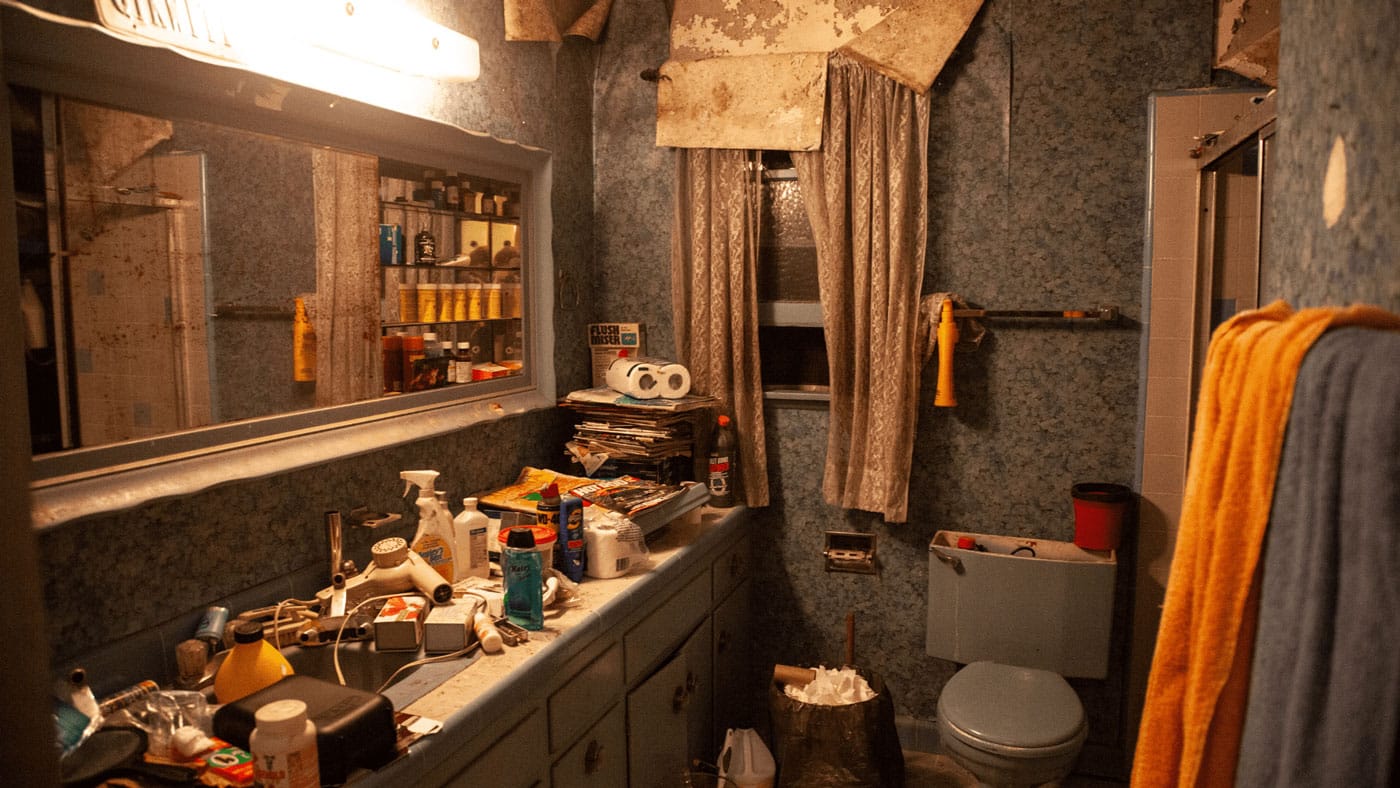
Curb appeal starts with order, not decoration. A clean walkway, trimmed edges, washed siding, and a visible house number often do more than another planter ever could. Many homes across the USA lose their charm because the porch collects small visual clutter: old shoes, empty pots, tangled hoses, dead leaves, and seasonal decor that stayed too long.
A strong entry needs breathing room. Before adding porch decor, remove anything that does not serve the space today. The porch should not look like a storage zone pretending to be a welcome area. Once the bones look clean, every added piece carries more weight.
Paint also works harder than people expect. A deep green door on a white Colonial in New England, a warm clay color on a stucco home in Arizona, or a navy door on a brick house in the Midwest can change the whole face of the home. Color should connect with the roof, trim, and surrounding plants, not fight them for attention.
Use lighting as a welcome signal
Lighting is the porch detail many homeowners underestimate. A bright overhead bulb can feel harsh, while a weak fixture makes the door look hidden. Good porch lighting gives people confidence as they walk up, especially after sunset, and it adds a sense of care even when no one is outside.
Scale matters here. A tiny lantern beside a tall front door looks accidental. A fixture that fits the height of the entry makes the porch feel planned. On wider porches, matching sconces or a pendant can create rhythm without making the space look staged.
Warm bulbs usually suit front entries better than cold white light. They soften shadows, flatter paint colors, and make outdoor seating feel more relaxed. Motion sensors can help with safety, but the porch should not blast guests like a parking lot. Welcome is the goal, not interrogation.
Make the Porch Useful Before Making It Pretty
A porch that photographs well but annoys you every day has failed. Real homes need places for keys, wet umbrellas, packages, muddy boots, kids’ backpacks, and the awkward pause while someone finds the right key. Beauty matters, but function decides whether you keep loving the space after the first week.
Choose outdoor seating that matches real habits
Outdoor seating should match how you live, not how a catalog says you should live. A pair of rocking chairs looks charming, but they become dead weight if no one sits there. A compact bench may serve a busy family better because it gives people a place to tie shoes, set bags, or wait while someone unlocks the door.
Porch size should guide the decision. A narrow rowhouse porch in Philadelphia may need a slim bench and one small side table. A broad Southern porch can handle a swing, chairs, and layered textiles without feeling crowded. The mistake is buying furniture for an imaginary version of your life.
Comfort also depends on materials. Metal chairs can burn hot in Texas sun and feel icy in northern winters. Wood brings warmth but needs upkeep. Resin wicker works well in many climates when it has sturdy frames and washable cushions. Buy for weather first, style second.
Design storage that does not look like storage
Storage on a porch can either save the space or ruin it. A lidded bench can hide garden gloves, dog leashes, and small packages while still giving someone a place to sit. A wall hook can hold a wreath, basket, or lantern, but too many hooks turn the entry into a mudroom without walls.
Small porch design often works best when every piece has two jobs. A stool can hold a planter today and a drink tomorrow. A basket can hide sandals in summer and hold pinecones in winter. A slim console can catch outgoing mail without blocking the door swing.
American homes deal with constant deliveries, and ignoring that reality makes the porch messy fast. A package box or covered corner can help, but it should blend with the house. A porch that plans for daily life always looks calmer than one that fights it.
Add Warmth Without Turning the Porch Into a Theme
A welcoming porch does not need to look like a seasonal aisle at a craft store. The strongest spaces use restraint. They allow texture, plants, fabric, and small personal details to work together without drowning the front door. Too much decor makes the porch feel nervous, as if it is begging to be liked.
Let porch decor follow the house style
Porch decor should respect the architecture. A Craftsman bungalow can handle earthy planters, a wood bench, and lantern-style lighting. A modern farmhouse may suit black accents, simple greenery, and a thick natural-fiber mat. A midcentury ranch often looks better with clean lines and low planters than with heavy wreaths and frilly cushions.
Seasonal pieces work best when they rotate with discipline. Pumpkins in October feel cheerful. Pumpkins in January feel abandoned. The same goes for faded flags, tired bows, and weather-beaten signs. A porch tells time, and outdated decor tells the wrong time.
Texture adds more warmth than slogans. A woven mat, ceramic pot, wood stool, linen-look cushion, or iron lantern gives the eye something to enjoy without spelling out the mood. The best porch decor feels collected, not ordered in one anxious shopping trip.
Use plants as structure, not filler
Plants can rescue a plain porch, but only when they have purpose. Two matching planters beside the door create symmetry. A tall pot on one side can balance an off-center entry. A low planter near steps can guide the eye upward without blocking the path.
Climate should shape plant choices. Ferns love shaded porches in humid regions. Lavender and rosemary can suit dry, sunny entries. Ornamental grasses handle wind better than delicate flowers in exposed areas. A homeowner in Florida should not copy a Michigan porch without thinking about heat, rain, and sun.
Fake plants can work in hard conditions, but cheap ones fade fast and fool no one. If maintenance is the issue, choose hardy live plants or high-quality artificial greenery used sparingly. A dead plant beside the front door sends a colder message than no plant at all.
Keep the Porch Inviting Through Every Season
The porch is not a one-time project. It faces pollen, snow, heat, rain, leaves, insects, and everyday wear. A space that looks great in May can feel neglected by August if nothing is cleaned, trimmed, or adjusted. Long-term charm comes from simple upkeep and smart seasonal shifts.
Protect small porch design from crowding
Small porch design needs editing more than decorating. Every inch has to earn its place. One oversized wreath, one deep chair, or one bulky planter can make the whole entry feel squeezed, even if each item looks good by itself.
Door swing is the first test. If guests have to step around a pot to enter, the layout is wrong. If a chair blocks the path from the steps, it belongs somewhere else. A porch should guide movement without making anyone think about movement.
Vertical space can help when the floor is tight. Wall-mounted planters, tall narrow pots, slim sconces, and a clean house number can bring personality without stealing walking room. The quiet trick is leaving some emptiness. Empty space makes small porches feel intentional.
Refresh curb appeal with seasonal habits
Curb appeal grows from rhythm. Sweep weekly during leaf season. Shake out the mat after storms. Wipe the door when pollen builds up. Replace cushions before they look defeated. These tasks sound small because they are small, and that is the point.
Seasonal updates should feel fresh, not frantic. In spring, use clean planters and new greenery. In summer, add shade-friendly fabric and a place for cold drinks. In fall, bring in warmer texture. In winter, keep the entry safe with clear steps, good lighting, and one strong seasonal accent.
The most inviting homes do not treat the porch as a stage. They treat it as a threshold between public life and private comfort. When the porch works in every season, it stops being a decoration project and becomes part of how the home cares for people.
Conclusion
A porch can change how a home feels before anyone opens the door. That power should not be wasted on random purchases or copied trends. Start with what the entry needs to do, then build beauty around that purpose. Clean lines, useful seating, honest materials, healthy plants, and steady upkeep will beat overdone styling every time.
The smartest Front Porch Ideas respect the way American homes are actually used. They leave room for guests, packages, weather, pets, kids, and those quiet evenings when the porch becomes the best seat in the house. You do not need a perfect porch. You need one that feels cared for and easy to approach.
Choose one improvement you can finish this week: clean the entry, upgrade the light, replace the mat, add a chair, or revive the planters. Start there, and let the welcome grow from the doorstep outward.
Frequently Asked Questions
What are the best front porch ideas for a small home?
Focus on scale, clear walking space, and one strong focal point. A slim bench, clean doormat, tall planter, and warm light can make a small porch feel welcoming without crowding the entry or blocking the door.
How can I improve curb appeal on a budget?
Clean first, then upgrade the details people notice fastest. Wash the door, trim plants, refresh the mat, add visible house numbers, and use one healthy planter. These low-cost changes often make a bigger impact than extra decorations.
What porch decor works best year-round?
Choose pieces that survive changing weather and do not depend on a holiday theme. A natural mat, sturdy planter, lantern, outdoor pillow, and simple wreath can stay attractive through multiple seasons with only small updates.
How do I choose outdoor seating for a front porch?
Match the seating to your porch size and daily habits. A bench works well for narrow spaces, while rocking chairs or a swing suit wider porches. Leave enough room for people to walk comfortably to the door.
What are easy small porch design mistakes to avoid?
Avoid oversized furniture, too many planters, weak lighting, and decor that blocks movement. Small porches look best when they have fewer pieces, better spacing, and a clear path from the steps to the door.
Which plants are best for an inviting porch?
Choose plants based on sunlight, weather, and how much care you can give them. Ferns suit shade, herbs love sun, grasses handle wind, and evergreens offer year-round structure. Healthy plants matter more than trendy ones.
How often should I update my front porch decor?
Refresh the porch with each season, but avoid changing everything at once. Small swaps like cushions, wreaths, or planters keep the entry current while the main furniture and lighting stay consistent.
How can lighting make a porch feel more welcoming?
Warm, properly scaled lighting makes the entry feel safe and cared for. Use fixtures that fit the door size, avoid harsh bulbs, and make sure steps, locks, and house numbers remain easy to see after dark.