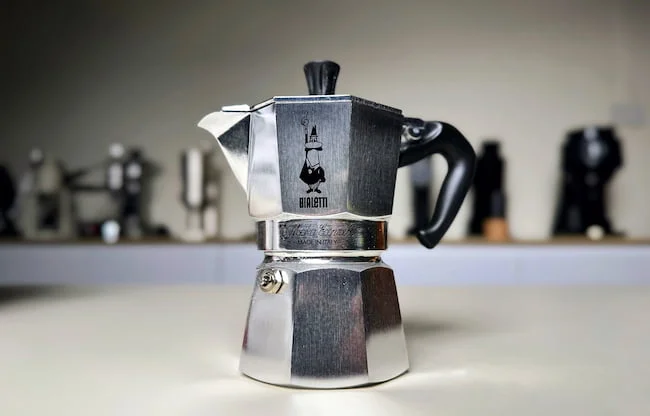
Some kitchen tools get attention because they look new. Others come back because people finally slow down enough to understand them. The Bialetti Moka Express sits in that second group, especially after a barista coffee tutorial reminded American coffee drinkers that a strong, café-style cup does not have to start with a giant machine or a $6 drink. For anyone watching prices climb at local cafés, the appeal is easy to see. This little octagonal pot makes moka pot coffee that feels bold, hands-on, and personal. It also fits the mood of people who follow consumer trend coverage for products that move because they solve a real daily problem, not because they look good for five seconds online. Bialetti’s own product page says the original shape dates back to 1933 and notes the safety valve, aluminum body, and gas or electric stove compatibility, with induction use needing an adapter plate. That matters because the viral moment is not about a gadget craze. It is about a familiar tool getting rediscovered by people who want better coffee without turning their kitchen into a café counter.
Why Bialetti Moka Express Feels Made for the Social Coffee Moment
The reason this old-school brewer works so well online is not only its shape. It gives the camera a story. Water goes in the bottom. Grounds sit in the middle. Coffee rises into the top chamber, and the sound tells you when to move. A barista coffee tutorial can show that whole arc in under a minute, which is rare for home brewing gear.
The viral hook is visual, but the value is practical
A sleek espresso machine looks impressive, but most people do not see what is happening inside it. This pot is different. You can open the lid and watch the stream turn from dark and slow to pale and bubbly. That tiny change teaches you something. It tells you when the brew is done, when the heat is too high, and when bitterness is about to creep in.
That is why this trend feels sticky. American buyers are not only chasing a cute kitchen prop. They are learning a repeatable ritual. Eater has reported that Moka pots have been gaining fresh attention on TikTok, with creators comparing them to pricier home coffee routes and leaning into their lower cost, ritual, and rich flavor.
The non-obvious part is that the pot’s old limits are now part of its charm. You cannot walk away from it. You have to listen. That sounds like a flaw until you realize many people are tired of appliances that make the whole morning feel automatic and forgettable.
Why younger coffee drinkers are buying an older tool
A college student in Austin, a renter in Chicago, or a first-apartment buyer in Queens may not have the space or budget for an espresso setup. A stovetop espresso maker sits in a cabinet, costs far less, and makes a cup strong enough for milk drinks. That is a clean fit for people making iced lattes at home.
The funny part is that younger buyers often find it through content, while older buyers remember seeing one at a parent’s or grandparent’s house. Food & Wine notes that coffee pros and social media users have been sharing fresh Moka pot tips, while also describing the brewer as tied to ritual, nostalgia, and simple design.
That cross-generation pull gives the product more life than a normal trend. One buyer sees a budget café hack. Another sees a piece of family memory. Both end up standing over the stove waiting for the same little gurgle.
What the Barista Tutorial Gets Right About Better Moka Pot Coffee
A good tutorial does not make the pot look harder than it is. It removes the mistakes that make people give up after one bitter cup. The best moka pot coffee usually comes from restraint. Lower heat, loose grounds, clean water, and fast removal from the burner matter more than fancy gear.
Heat control matters more than expensive beans
A common beginner mistake is treating the pot like a race. High heat pushes water through too fast and can leave the cup harsh. The official directions from Bialetti tell users to fill water to the safety valve, add coffee without pressing it down, set the flame low, and remove the pot when it gurgles.
That advice is plain, but it changes everything. If you start with a medium-fine grind and keep the heat calm, the cup often tastes rounder. If you blast it, the pot may still make coffee, but it will punish you with a burnt edge.
A barista coffee tutorial works because it shows timing in a way written directions cannot. You see the first coffee appear. You see the color shift. You hear the sputter. For a home brewer, that sensory feedback is worth more than a chart.
The “don’t tamp” rule saves the cup
People who come from espresso videos often assume they should press the grounds. That is the wrong move here. This pot is not an espresso machine, even if stores often call it a stovetop espresso maker. It brews under lower pressure, so packed grounds can slow the flow and create bitter, uneven coffee.
Serious Eats tested multiple Moka pots and found the classic version made a rich cup with limited bitterness when handled with a more careful method, including attention to grind, heat, and flow. That lines up with what baristas keep repeating: level the coffee, but do not compact it.
A useful home example is simple. If your cup tastes smoky, do not blame the pot first. Lower the heat, stop the brew before the angry sputter, and check whether your grind is too fine. Most “bad Moka pot” stories are brewing errors wearing a product complaint mask.
How It Fits Real American Kitchens Right Now
The renewed attention makes sense because the pot lands in a strange gap. It is cheaper than a machine, more involved than a pod brewer, and stronger than a basic drip cup. That middle position used to make it confusing. Now it makes it useful.
Small kitchens and big coffee habits finally meet
Many U.S. homes are built around convenience coffee. Single-serve machines, drive-thru cups, and large drip makers all have their place. Yet they also create waste, take counter space, or produce more coffee than one person wants. A small stovetop brewer solves a different problem: one focused cup, made on purpose.
That is why it works in studio apartments and shared kitchens. You do not need a wide counter or a dedicated coffee station. You need a burner, ground coffee, and a few minutes. Pair it with small kitchen appliance picks, and it becomes part of a compact morning setup rather than another bulky purchase.
The counterintuitive part is that a slower method can save time in real life. You are not cleaning milk tubes, descaling a machine, or scrolling through café apps. You make the cup, rinse the parts, and move on.
It is not espresso, and that is fine
This is where buyers need clear expectations. A Moka pot makes strong coffee, not true café espresso. Espresso depends on much higher pressure, while a Moka pot uses steam pressure to move water through the grounds into the upper chamber. Food & Wine explains that the method works in the opposite direction from drip and pour-over brewing, which rely on gravity.
That difference should not scare anyone away. For an iced latte, café con leche, or strong morning cup, the result can be more than enough. You get body, intensity, and a flavor that holds up to milk. You do not get the same crema or texture a trained barista pulls from a commercial machine.
A good way to frame it is this: buy it for strong, satisfying home coffee, not for a fake espresso promise. That honest expectation keeps buyers happy after the viral shine fades.
Buying, Cleaning, and Keeping the Ritual Worth It
The trend may start with a clip, but the long-term value comes from care. This is a simple object, but it is not careless. The gasket, valve, filter basket, and aluminum body all need basic attention. Treat it well and it can stay in the kitchen for years.
Choose the size based on how you drink
The “cup” sizing can confuse U.S. buyers because it does not mean a standard American mug. A three-cup pot is often enough for one strong serving or a milk drink. A six-cup model may suit two people, or one person who wants a larger iced drink. Bigger is not always better.
That last point surprises people. If you buy too large, you may end up brewing more coffee than you need and wasting flavor. A smaller pot used well usually beats a large one used halfway. For solo drinkers, the three-cup size often makes more sense than the one that looks better on a shelf.
This is where a simple buying guide helps. Match the pot to your real drink, not your fantasy kitchen. If your usual order is a small cappuccino-style drink or an iced latte, start smaller. If two adults share morning coffee, go larger.
Cleaning rules are simple, but easy to ignore
The official care guidance is clear: rinse with water after use, avoid detergents, and do not put the product in the dishwasher because that can damage the pot and affect flavor. That matters more for aluminum models, which can lose their finish after harsh cleaning.
Drying also matters. Leaving damp parts screwed together can trap smells and old oils. Take the pot apart, rinse it, let it dry, then reassemble later. This is not fussy. It is the same kind of care you give a cast-iron pan or a good chef’s knife.
For anyone building a better home coffee corner, this tool pairs well with home coffee setup ideas. You do not need much: fresh coffee, a grinder if your budget allows, filtered water, and a mug you actually like holding.
Conclusion
The viral wave around this little coffee pot says more about American coffee habits than it says about one product. People want the café feeling, but they do not always want the café price, the machine upkeep, or the counter clutter. They want a morning ritual that asks for attention without turning into a hobby with homework. The Bialetti Moka Express answers that need because it is simple, visible, and honest about what it makes. It will not replace a commercial espresso machine, and it should not try. Its strength is different: it gives you bold moka pot coffee with a few basic moves and a little patience. The FDA notes that most adults can stay around 400 milligrams of caffeine per day without negative effects, though sensitivity varies, so strong home coffee still deserves common sense. FDA guidance on daily caffeine intake Buy the pot for the cup you will make on a normal Tuesday, not the clip you watched once, and your kitchen will thank you every morning.
Frequently Asked Questions
How does a Moka pot coffee maker work?
Water heats in the lower chamber and steam pressure pushes it upward through ground coffee. The brewed coffee then collects in the top chamber. The process creates a strong cup with more body than drip coffee, though it is not the same as true espresso.
Is a stovetop espresso maker worth buying for home coffee?
Yes, especially for people who want bold coffee without a large machine. It is compact, affordable, and great for milk drinks. The main tradeoff is attention. You need to watch the brew and remove it from heat at the right time.
What grind size works best for moka pot coffee?
A medium-fine grind usually works best. It should be finer than drip coffee but not as powdery as espresso grind. If the coffee tastes bitter or the pot sputters too hard, the grind may be too fine or the heat too high.
Can I use a Moka pot on an induction stove?
The classic aluminum version needs an induction adapter plate. Some stainless steel Moka pots are made for induction, but buyers should check the product details before ordering. Gas and electric stoves are the easiest match for the classic model.
Why does my Moka pot coffee taste bitter?
Bitterness often comes from high heat, packed grounds, over-extraction, or leaving the pot on the burner after it starts sputtering. Use lower heat, do not press the coffee down, and remove the pot as soon as the brew turns pale and noisy.
How should I clean a stovetop espresso maker after use?
Rinse each part with warm water, skip dish soap on aluminum models, and let everything dry before reassembling. Avoid the dishwasher unless the maker’s official instructions allow it. Good drying prevents stale smells and keeps the cup cleaner.
Is Moka pot coffee stronger than drip coffee?
Yes, it usually tastes stronger and more concentrated than drip coffee. The serving size is smaller, though, so total caffeine depends on how much you drink and how much coffee you use. It works well for Americanos, iced lattes, and café con leche.
What size Moka pot should one person buy?
A three-cup size is often the best starting point for one person. It makes enough for a strong serving or a milk drink without wasting coffee. Larger sizes make sense for couples, guests, or people who want a bigger iced coffee.