
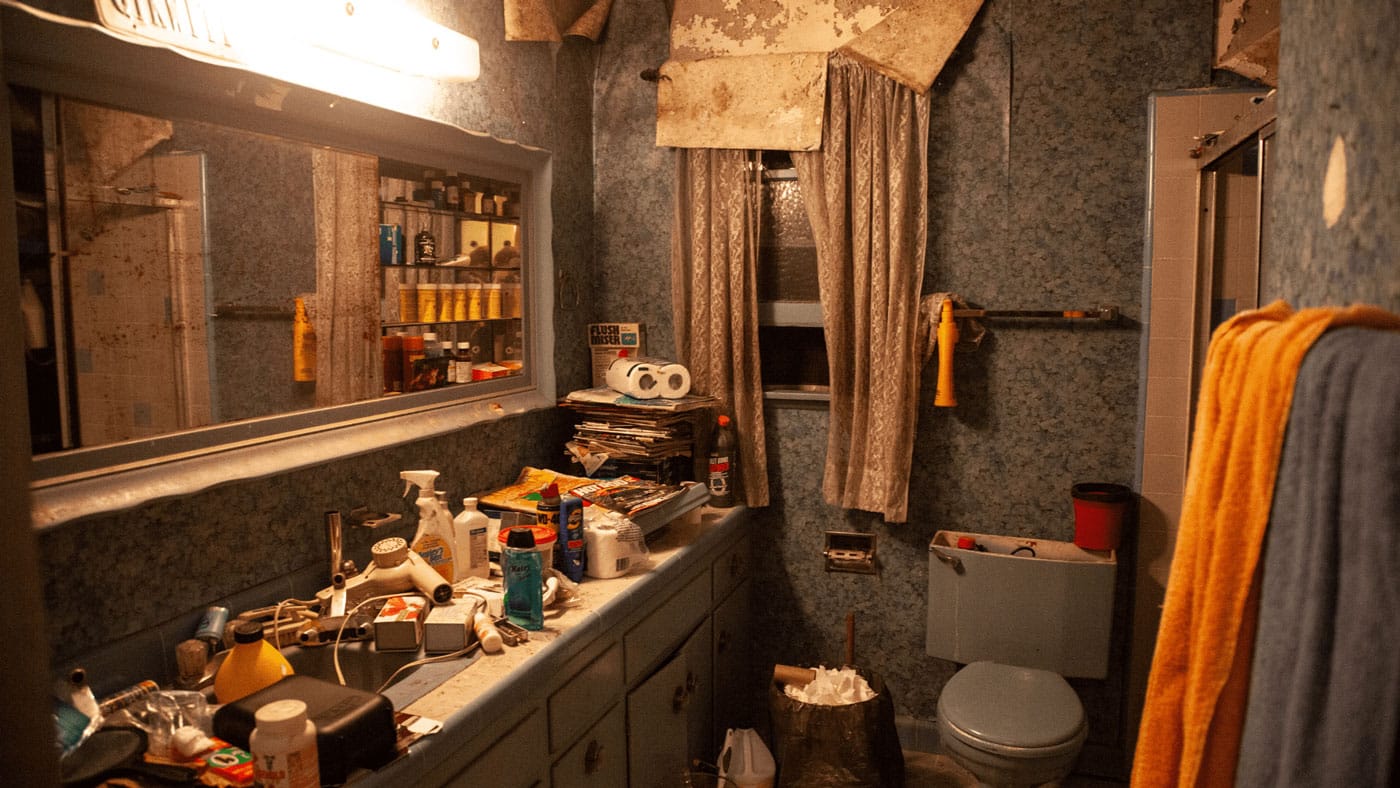
Watching someone you care about live in a home buried under clutter is painful. You want to help, but everything you try seems to make things worse. Throwing things away behind their back creates anger. Bringing it up in conversation leads to defensiveness. And the longer you wait, the harder it gets. Hoarding is a mental health condition, not laziness or stubbornness, and that distinction changes everything about how you should respond. Professional hoarding services can provide compassionate support, safe cleanup, and practical solutions while protecting both the individual and your relationship with them.
First Steps When You Realize a Loved One Is Hoarding
The urge to jump in and start cleaning is strong, but acting too fast usually does more harm than good. Taking a measured first step sets the tone for everything that follows.
Check Safety Without Panicking
Quietly assess the immediate risks. Are exits blocked? Are children or elderly family members living in the home? Are there unsanitary conditions that pose a health threat? If the situation is dangerous, urgent action may be needed. If the home is cluttered but livable, a slower, relationship-focused approach gives you a much better chance of lasting change.
Educate Yourself Before You Act
Before saying anything to the person, learn about the hoarding disorder. Understand the triggers, the emotional roots, and why forced cleanouts almost always backfire. People who have their belongings removed without consent often feel violated and re-accumulate faster than before.
Share what you learn with other family members so everyone is on the same page. A united, compassionate response is far more effective than one person acting alone or family members giving conflicting messages.
How to Talk to a Loved One About The Situation
The conversation itself can either open a door or slam it shut. How you say things matters as much as what you say.
Dos of Caring Conversations
Lead with empathy and genuine concern. Focus on safety and well-being rather than the mess itself. Phrases that work well include:
- “I care about you, and I want to make sure you are safe in your home.”
- “I noticed it is hard to get to the kitchen. Can I help with that?”
- “What would make this feel easier for you?”
Use “I” statements instead of “you” statements. Listen to what they want. Validate their feelings even if you do not understand them. Invite collaboration rather than issuing demands. The goal is to be an ally, not an authority figure.
Don’ts That Can Make Things Worse
Certain actions feel helpful in the moment but cause real damage to trust and progress:
- Shaming or criticizing the state of the home
- Throwing things away secretly or doing a surprise cleanout without consent
- Issuing ultimatums like “clean up, or I am done.”
- Paying for extra storage units or saving items on their behalf, which quietly enables the behavior
These responses are understandable, but they push the person further into defensiveness and isolation.
Practical Ways to Support (Without Taking Over)
Helping someone with a hoarding disorder means walking a fine line between support and control. The person needs to feel ownership over the process.
Offer Help They Can Accept
Start small. Offer to sit with them while they sort through one drawer, one shelf, or one bag. Drive them to a donation center. Help carry items to the curb on trash day. These small, concrete actions feel manageable and build momentum without triggering the overwhelm that shuts everything down.
Celebrate every small win. A cleared countertop or an emptied closet is real progress and deserves to be acknowledged.
Set Healthy Boundaries for Yourself and the Home
Decide what you can realistically offer in terms of time, money, and emotional energy, and communicate those limits calmly. You are allowed to say no to requests that cross your boundaries.
If you share a home with the person, define minimum safety standards together. Clear exits, a usable kitchen, and a safe bathroom are reasonable non-negotiables. Frame these as shared agreements rather than rules imposed on them.
When You Live With the Person Who Hoards
Living in a hoarded home takes a serious toll on your own mental health. Protect your own space where possible. Maintain your personal routines and social connections. Ask other family members or a neutral mediator to help when household conversations become too charged.
Change is slow with hoarding disorder. Accepting that timeline while still holding firm on safety boundaries is the most sustainable approach for everyone in the household.
Encouraging Professional and Community Help
Most people with a hoarding disorder benefit from professional support. Introducing that idea takes sensitivity and good timing.
Gently Suggesting Treatment and Support
Cognitive behavioral therapy (CBT), designed specifically for hoarding, is the most evidence-based treatment available. Bring it up when the person is calm and receptive, but not during an argument or a moment of crisis.
Practical ways to make professional help feel less intimidating:
- Research therapists or programs together rather than handing over a list
- Offer to make the first call with their permission, so they do not have to do it alone
- Attend an appointment with them if they want company for the first visit
When a Cleanup or Intervention Becomes Necessary
If conditions have deteriorated to the point where health, safety, or legal issues are involved, professional hoarding cleanup or authority involvement may be unavoidable. Signs that this stage has been reached include structural damage, biohazard conditions, code violations, or the presence of vulnerable people like children or elderly adults in the home.
Even in urgent situations, allow the person as much involvement as possible. Forced cleanouts without any consent cause significant emotional trauma and often lead to rapid reaccumulation. Give them time to grieve losses and keep communication open throughout the process.
Taking Care of Yourself as a Supporter
Supporting someone with a hoarding disorder is emotionally exhausting. Frustration, guilt, anger, and grief are all normal responses, and ignoring them helps no one.
Ways to protect your own well-being while staying involved:
- Join a support group for families of people who hoard (online and in-person options exist)
- Talk to a therapist about your own feelings and stress
- Take breaks from the situation without feeling guilty
- Set realistic expectations about the pace of change so you do not burn out
Your mental health matters too. You cannot support someone effectively if you are running on empty yourself.
Long-Term Perspective: Progress, Relapse, and Hope
Hoarding recovery is gradual. There will be setbacks, and the home may never look the way you want it to. Recognizing real progress means paying attention to behavior changes, but not the state of the rooms.
If the person is sorting mail more regularly, letting go of a few items each week, or attending therapy sessions, those are meaningful wins even if the house still looks cluttered. Maintain communication, uphold your boundaries with consistency and kindness, and stay connected to the person even when progress feels painfully slow. Recovery is possible, and your support through the difficult stretches matters more than you might think.
Takeaway
Helping a loved one who hoards takes patience, education, and a willingness to meet them where they are rather than where you want them to be. The right approach protects their dignity, preserves your relationship, and creates a path toward a safer, more manageable home. Quick fixes do not work with hoarding. Steady, compassionate support does.
There are moments in this process where professional help makes all the difference, and that is where LifeCycle Transitions steps in. The team handles hoarding situations with the kind of care that keeps the person at the center of every decision. Every cleanup is shaped around the individual, the family, and the pace that feels right for everyone involved.
Families who have been through it say the same thing: having experienced, compassionate people in the room changed everything about how the process felt and how the relationship survived it.