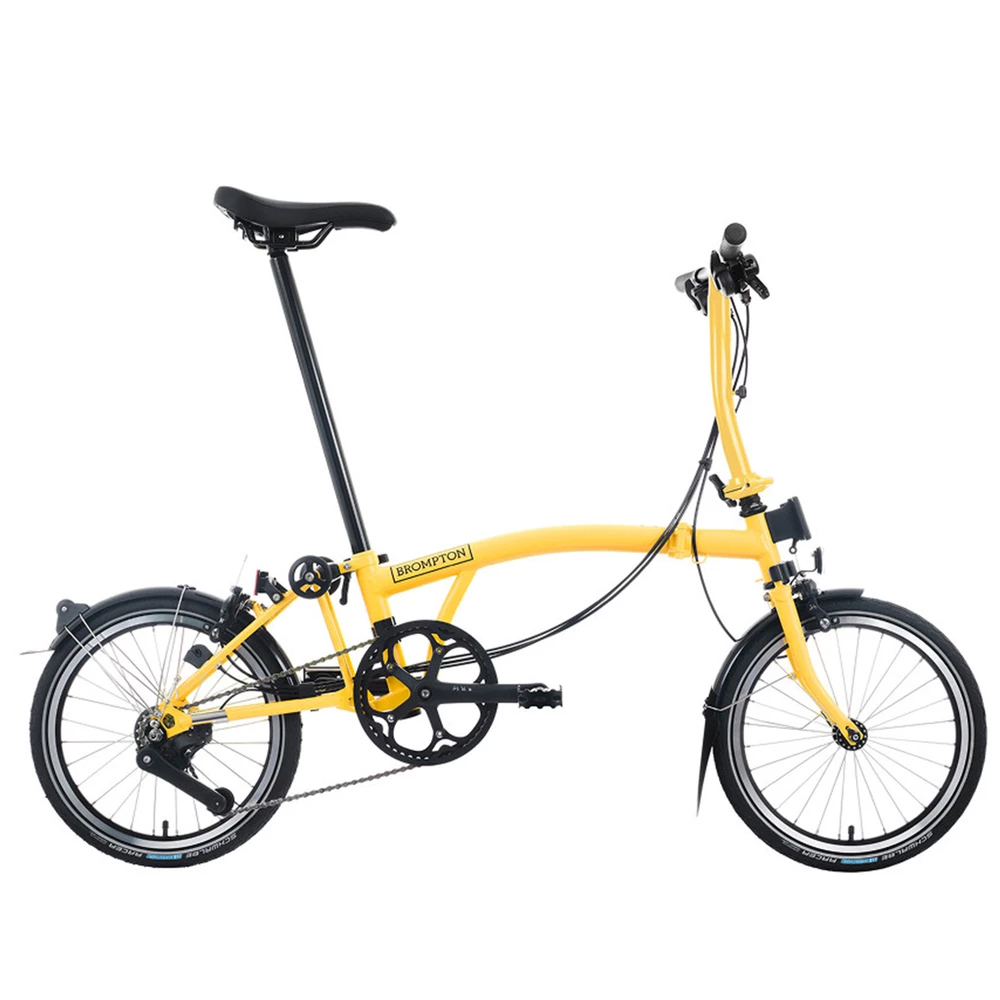
A good city bike should disappear when the ride ends. That is the appeal behind the Brompton C Line, a compact steel folding bike that now speaks to a wider American market than the old niche crowd of transit nerds and small-apartment cyclists. The point is not that every U.S. rider suddenly needs a British folder. The point is that more Americans are dealing with the same daily squeeze: tight condos, packed train cars, office storage rules, car trunks full of kid gear, and short trips that feel wasteful in traffic. For readers tracking practical gear launches through consumer product coverage, this bike matters because it solves a boring problem in a tidy way. Brompton’s own U.S. page lists the model from $1,720, with a steel frame, compact folded size, and 4- or 12-speed choices, though exact builds can change by color and retailer stock. That last part matters. Buying one is less about chasing hype and more about choosing whether this type of folding bike fits your actual week.
Why This Release Feels Different for U.S. Riders
For years, folding bikes had a strange reputation in the United States. People either loved them with almost comic devotion or dismissed them as odd little machines for apartment dwellers. The middle ground was thin. That is where the current interest feels different. American riders are not asking whether a folder looks cool in a bike shop window. They are asking if it can replace the awkward gap between walking, driving, rideshare, and public transit.
That question hits hardest in cities where life does not move in clean lines. You may ride two miles to a train stop, carry the bike inside, then roll another mile from the station to work. A normal bike can do the first and last part. The problem is the middle. A folded bike changes the argument because it becomes luggage instead of cargo.
Cycling media has also stopped treating premium folders as novelty items. Cycling Weekly’s 2026 folding-bike guide placed the C Line Explore at the top of its list, praising the gear range and city-ready setup after real-world testing. That kind of coverage matters because it moves the discussion away from “small bike equals compromise” and toward a better question: does the machine solve the trip you repeat most?
The commute problem is not the same in every city
A rider in Brooklyn may need a bike that fits beside a café table and under a studio loft bed. A rider in Denver may care more about a short link between a light-rail stop and an office park. In Washington, D.C., the pain point might be building security that refuses full-size bikes upstairs. Same product, different friction.
That is why the American story is not only about density. Some of the best use cases are not in Manhattan-style neighborhoods. They are in places where transit almost works. The last mile is often the weak link, and a compact folder can turn a half-useful route into a route you might choose three days a week.
The non-obvious part is that the bike does not need to beat a road bike, an e-bike, or a car in every category. It wins by avoiding the small penalties that make people give up. No roof rack. No hunt for a bike room. No leaving it locked outside during a thunderstorm.
A premium folder has to earn its space at home
The price will scare off casual shoppers, and that is fair. A cheap folding bike can look tempting when you compare spec sheets. Yet the real test starts after the first month, when the bike lives in a hallway, closet, trunk, or office corner. Loose hinges, clumsy folds, and awkward rolling become daily irritants.
This is where Brompton’s long-running design matters. The company describes the original steel model as handmade in London and able to fold into a small locked package in under 20 seconds. That speed is not a party trick. It affects whether you fold the bike before entering a store or try to lean it near the door and hope nobody complains.
A practical example: a Boston commuter who rides to the T during wet weather may care less about top speed than about getting the bike folded before a crowd builds behind them. The best feature is not the clever hinge. It is the lack of public embarrassment.
How Brompton C Line Design Fits American Streets
The design is easy to misunderstand if you judge it like a normal bicycle. Small wheels, upright posture, and a compact frame can look less serious beside a gravel bike or hybrid commuter. That misses the point. This model is built around the moment after the ride as much as the ride itself.
The official U.S. specs put the folded size at 23 inches high, 22.2 inches wide, and 10.6 inches deep, with a steel frame and Schwalbe Marathon Racer tires listed for the line. Those numbers explain the appeal better than a glossy photo. It is not tiny in the way a backpack is tiny, but it is small enough to enter rooms where a full-size bike becomes a social problem.
Small wheels change the ride in honest ways
A 16-inch-wheel folding bike will not float over broken pavement like a fat-tire commuter. It reacts faster. It can feel lively, even twitchy, until your hands settle down. That is not a flaw as much as a trade. The bike asks you to ride with a little attention.
On smooth pavement, the reward is sharp movement. You can thread through a slow parking-lot exit, make a careful U-turn near a train platform, or scoot down a protected lane without feeling like you brought too much bike. In cities with scarred asphalt, you may learn to read the road more closely. Avoid potholes. Ease over driveway lips. Pick cleaner lines.
The hidden benefit is that this feedback can make short trips feel more controlled. Many American commuters buy too much bike for two- to five-mile errands. A fast hybrid with wide bars may feel strong, but it can be a pain at a grocery doorway. A compact city commuter bike accepts that most urban rides are not training rides.
The fold matters more than the frame material
Steel gets attention because it suggests durability, comfort, and old-school craft. That is part of the charm. Still, the fold is the feature that changes ownership. A folder that rides well but folds badly becomes a bicycle you keep making excuses for.
Brompton lists the C Line with steel construction and multiple gearing choices on its U.S. page. That range matters for American terrain. A flatter city like Chicago does not ask the same thing as San Francisco, Pittsburgh, or Seattle. More gears can help, but more gears also mean more parts to think about when buying and servicing.
Here is the counterintuitive bit: the lighter or sportier option is not always the smarter one. If you carry groceries, roll into offices, or ride in work clothes, a slightly heavier setup with the right rack or mudguards may serve you better than the cleanest build on the wall. The best bike is the one that reduces excuses.
What Buyers Should Check Before They Order
The excitement around availability can push people into the wrong build. That happens with almost every premium commuter product. A buyer sees a famous name, reads a few owner comments, and assumes the standard version will match their life. Folding bikes are more personal than that. Fit, gearing, storage, and carrying style all matter.
Before you buy, decide where the bike will spend the other 23 hours of the day. That sounds backwards, but it is the right question. A bike that rides beautifully yet blocks your entryway will start to annoy you. A compact folder that slides into a closet becomes part of the home.
Availability also needs a calm eye. A brand page can show the line, while a specific color, rack version, or gearing choice may come and go through dealers. Treat “available” as a starting point, not a promise that your exact build is sitting nearby. Call the shop, ask about setup, and check whether they service the hinge, hub, and fold parts in-house.
Handlebar choice shapes the whole experience
The handlebar setup affects posture, comfort, and control. A lower position can feel more direct, while a taller one may suit riders who want a relaxed view through traffic. Neither is automatically better. The right answer depends on your body and your route.
A rider in Austin using the bike for weekend coffee runs may enjoy a more upright position. A rider in Philadelphia connecting train stops with narrow streets may prefer sharper steering and a firmer stance. Test rides matter because folding bikes compress geometry in ways that spec sheets do not fully explain.
Do not ignore carrying height either. When folded, the bike still has weight. Brompton’s U.S. page lists the C Line from 26.12 pounds on the line overview, while some related listings and setups vary by equipment. A few pounds may not sound like much until you face a third-floor walk-up or a station staircase after a long day.
Gearing should match your worst hill, not your best day
Many people buy for the ride they imagine. Smarter buyers buy for the ride that annoys them. If your commute has one steep bridge, one ugly ramp, or one windy stretch along open road, gear choice deserves attention. You do not need mountain-bike range for city trips, but you do need enough help to avoid hating the final climb.
The 4-speed setup may suit flatter routes and riders who value fewer moving parts. The 12-speed option gives more range for mixed terrain and heavier loads. That can matter if you live in a hilly neighborhood or plan to carry a laptop, lock, rain shell, and groceries.
A useful rule is simple: judge the bike with your least pleasant ride in mind. Not the sunny Saturday test spin. Think about cold rain, tired legs, and a bag that weighs more than expected. A good folding bike should still feel like a solution on that day.
For more pre-purchase planning, pair the shop visit with a city bike buying checklist and a folding commuter gear guide. Those notes help keep the decision grounded instead of emotional.
Where This Bike Makes the Most Sense
A folding bike is not the perfect answer for every American rider. That should be said plainly. If you have a garage, secure workplace storage, long open-road miles, and no need for transit, a full-size commuter may give you more comfort for less money. The appeal here grows when space and access become the hard parts.
That is why the best buyers are often not gear collectors. They are people tired of small daily compromises. They want one bike that can enter an elevator, sit near a desk, fit in a trunk, and handle a real errand after work. That sounds modest. It is also hard to design well.
The official lineup around the brand has grown, with lighter titanium models and electric versions sitting above or beside the classic steel folder. Brompton’s T Line, for example, is listed far lighter than the steel version, while the Electric C Line adds motor help at a much higher listed weight. That range can distract buyers. The better move is to decide whether you need lift weight, motor help, or plain dependability most.
Apartment living rewards compact ownership
Apartment storage is the obvious use case, but the details matter. A folding bike can sit beside a coat rack, under a counter, behind a bedroom door, or near a laundry area. It does not need a wall mount or a long hallway. In a small home, that can be the difference between riding often and letting the bike become furniture.
Take a renter in Los Angeles who has no garage and no safe outdoor rack. A full-size bike might live on the balcony until sun and dust wear it down. A compact folder can come inside after every ride. That changes maintenance, theft risk, and mental load.
The surprising part is that indoor storage can make the bike feel more casual. When a bicycle is always visible and easy to grab, the trip to the pharmacy stops feeling like a chore. You ride because the bike is not buried behind anything.
A folding setup also helps renters who move often. Full-size bikes are awkward on stairs, in elevators, and in packed moving trucks. A compact folder travels like a valuable object you can protect, not like a piece of outdoor gear you hope survives the move.
Multimodal travel is the strongest American use case
The strongest case may be mixed travel. Car plus bike. Train plus bike. Office shuttle plus bike. The United States has many places where cycling alone is not enough, but cycling plus another mode works well. A folder fits that messy reality.
You might drive to a park-and-ride, unfold for the last mile, and skip downtown parking. You might take a commuter train and avoid the bike-car rule drama. You might keep it in a hatchback for work trips when the hotel is too close for rideshare but too far for a nice walk.
This is where a compact city commuter bike has a quiet advantage over flashier gear. It does not ask America to become Amsterdam overnight. It works inside the country we already have: spread out, car-heavy, space-sensitive, and uneven in transit quality. That is why the American market matters here. The bike is not trying to fix the whole transportation system. It solves the piece you can control.
The same logic helps families. A parent can keep the bike near the door for school pickup, then fold it into a trunk after meeting a child at practice. It will not haul three bags of mulch. It can, however, save a surprising number of short, annoying drives.
Conclusion
The real appeal of this release is not romance. It is permission. American riders who once saw folding bikes as odd imports can now look at a mature, practical design and ask a better question: would this remove enough friction from my week to earn its price? For many people, the answer will be yes, especially if storage, transit, and theft risk keep ruining otherwise simple trips.
The Brompton C Line works best when you treat it as a mobility tool, not a lifestyle badge. Pick the gearing for your hard days. Choose the handlebar for your body. Think through stairs, closets, trunks, office rules, and rain before you fall for a color. A bike this compact can feel freeing, but only when the setup matches your life.
That is the honest promise behind this folding bike in the United States. It will not make every ride faster. It may make more rides possible. Start there, and the buying decision becomes much clearer.
Frequently Asked Questions
How much does the Brompton folding bike cost in the U.S.?
The official U.S. page lists the steel C Line from $1,720, though final pricing can rise with gearing, rack, color, luggage, and dealer setup. Check the exact configuration before comparing prices because two builds can look similar and cost differently.
Is this folding bike good for daily commuting?
Yes, it suits daily commuting when your route includes short city rides, transit, apartment storage, or office carry-ins. It is less ideal for long high-speed routes, rough pavement, or riders who want a full-size bike feel above all else.
What is the folded size of the steel Brompton model?
Brompton lists the folded size for the U.S. C Line at 23 inches high, 22.2 inches wide, and 10.6 inches deep. That compact shape is the main reason it works for trains, closets, elevators, and small offices.
Should I choose 4-speed or 12-speed gearing?
Choose 4-speed for flatter cities, lighter loads, and a simpler feel. Choose 12-speed if your route has hills, bridges, wind, or heavier bags. Your hardest regular ride should guide the decision, not the easiest test ride.
Is a folding bike worth it for apartment living?
Yes, if storage is your main barrier to riding. A compact folder can live indoors without taking over the room, which helps reduce theft risk and weather exposure. The value rises when you use it several times per week.
Can it replace a car for short errands?
It can replace some short car trips, especially pharmacy runs, coffee trips, train connections, and light grocery stops. It will not replace a car for large hauls or bad-weather family logistics, but it can cut the number of wasteful local drives.
Is the ride comfortable on American streets?
Comfort depends on pavement quality, tire pressure, posture, and route choice. The small wheels feel quick and alert, not plush. On smoother city streets it feels efficient, while broken asphalt asks for slower, more careful riding.
Where should I buy one in the American market?
Start with Brompton’s U.S. site and nearby authorized dealers, then compare exact builds, service support, and return policies. Dealer setup matters because a premium folder should arrive tuned, safe, and matched to the way you plan to carry and store it.